






-
 Courier delivery
Courier delivery
 Warranty 1 year
 Free 30-Day returns




PhytoBiochem's claim of providing the highest concentration of beta-glucanase enzyme on the market aims to address two key concerns for feed manufacturers: effectiveness and cost. Let's break down their statement:

Using less enzyme translates to potentially buying less, therefore reducing the overall cost.

Smaller volumes of enzymes are easier to handle and store, simplifying logistics.

Manufacturers can adjust the dosage more precisely to cater to specific needs, like different feed formulations or target animals.
PhytoBiochem Company provides the thermally protected beta glucanase enzyme to ensure it can withstand the high temperatures to which the feed is exposed during manufacturing. This ensures that the stability of the enzymes is maintained throughout manufacturing to ensure high results.

In some cases, higher concentrations might lead to greater enzymatic activity, meaning a more efficient breakdown of beta-glucans in the feed.

Stability at high temperatures allows for simpler and less energy-intensive processing steps, potentially lowering the overall cost of feed.

Phytobiochem beta-glucanase enzyme remains stable and active at high temperatures, it can be used in a wider range of feed manufacturing processes, including those that involve cooking or pelleting.

Maintaining activity at high temperatures ensures that the enzyme effectively breaks down beta-glucans even during the cooking or pelleting process, maximizing its efficacy and minimizing potential activity loss.
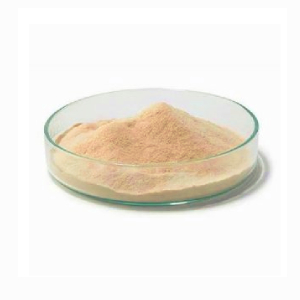
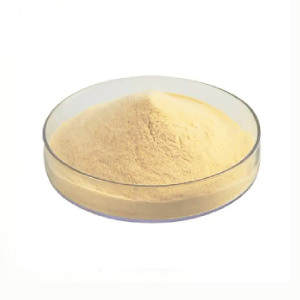
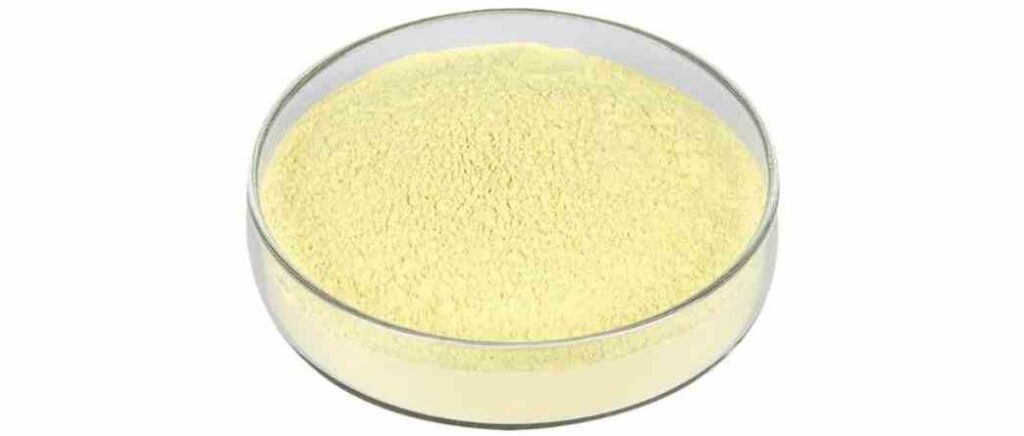
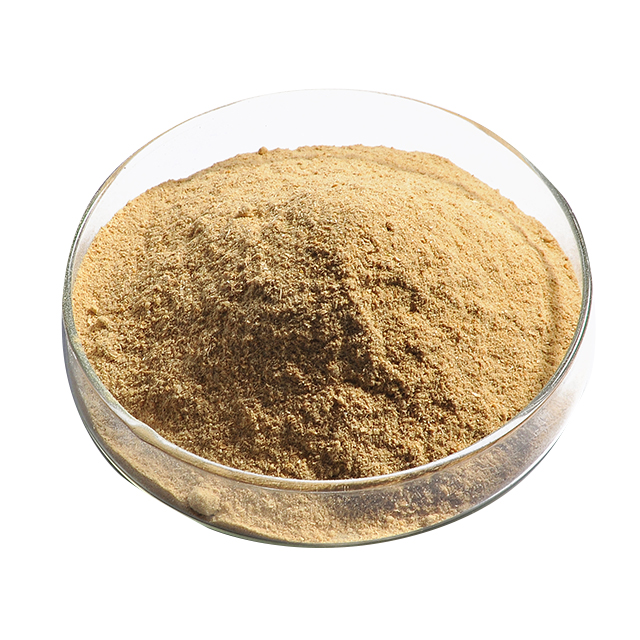
Beta-glucanase enzyme is available in the form of a fine powder to ensure excellent mixing efficiency and thus increase feed efficiency. This provides many advantages.
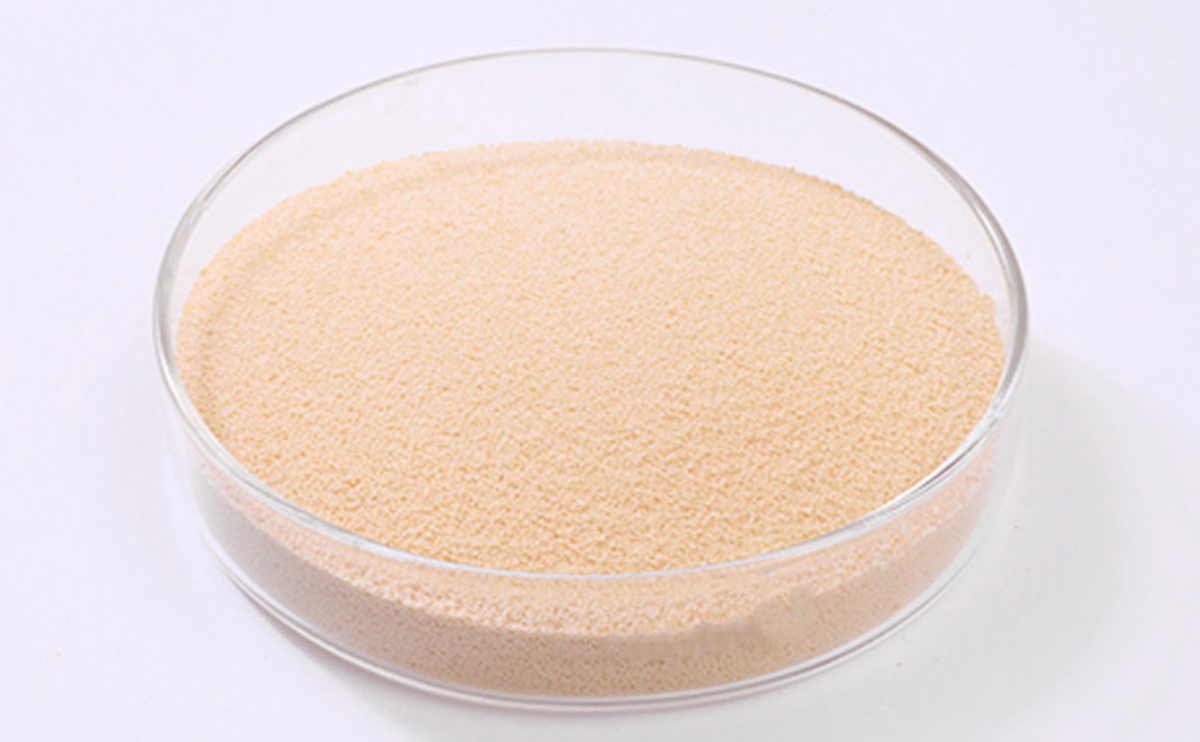

The powder form mixes more readily with various feed ingredients compared to other forms, potentially reducing compatibility issues.

Consistent enzyme distribution leads to better overall feed quality, potentially improving animal performance.

Compared to liquid or granular enzymes, the fine powder form reduces dust, mixes quickly and evenly, and prevents clumping
PhytoBiochem's claim about adhering to the highest international quality standards for their beta-glucanase enzyme raises some interesting points:

Adherence to stringent quality standards minimizes the risk of enzyme inefficacy or contamination, leading to fewer production issues and improved animal health outcomes.

PhytoBiochem follows international quality standards, thus ensuring that it reaches all feed manufacturers and guarantees the highest results. Thus, it helps feed manufacturers expand in the feed market

Phytobiochem follows strict quality procedures that inspire customer confidence about the enzyme's consistency and effectiveness. This is appealing to manufacturers looking for reliable options for their feed production.
PhytoBiochem's claim about their beta-glucanase enzyme maintaining the feed's smell, color, and therefore palatability for animals offers several potential advantages:
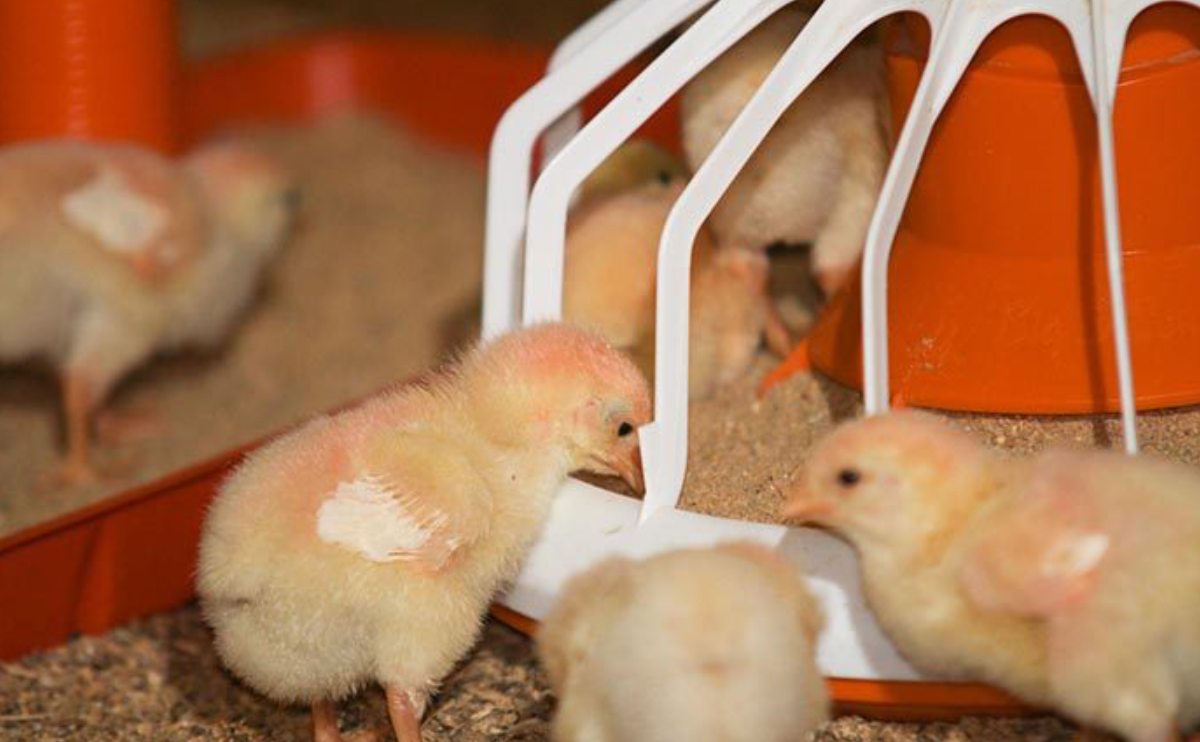

Maintaining the original smell and color ensures the feed remains as appealing to animals as before the enzyme addition. This helps sustain feed intake and animal appetite, which can be crucial for optimal growth and performance.

Avoiding changes in smell and color allows manufacturers to maintain existing feed formulations and production processes without the need for adjustments. This can simplify production and potentially reduce costs.

If animals find the feed unappealing due to changes in smell or color, they might consume less or even refuse it completely. Preserving these elements minimizes potential feed waste and improves overall efficiency.
Beta glucanase breaks down beta-glucans, making it easier for animals to access protein, amino acids, minerals, and other essential nutrients from the feed.
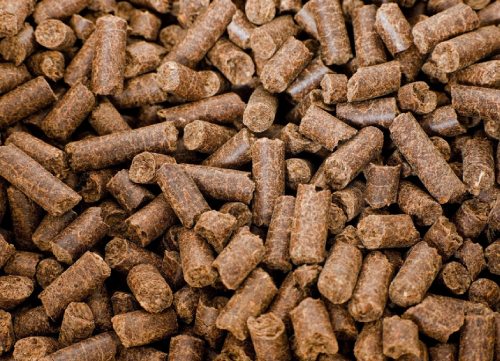
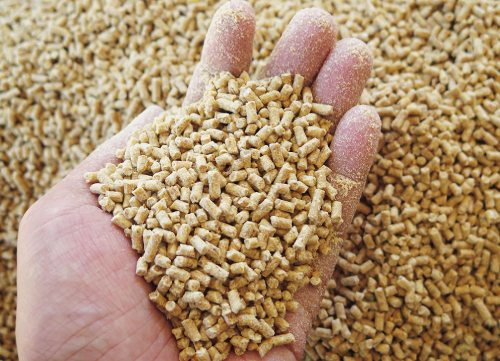
Improved nutrient absorption produces more energy for growth, milk production, and egg laying.
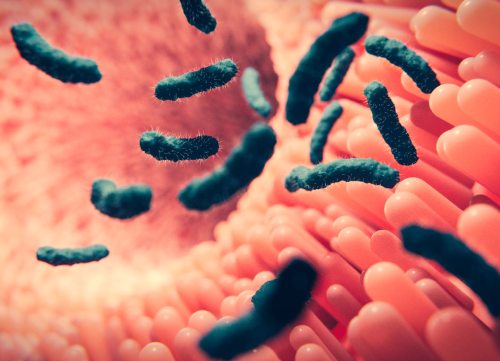
Breaking down beta-glucans reduces gut viscosity and improves microbial activity, improving overall digestion and immune function.
With improved nutrient utilization, animals experience faster growth rates, adding beta-glucanase increases animal weight gain and improves milk production in poultry and livestock. Improved egg quality: In poultry, beta-glucanase leads to stronger eggshells and a higher egg weight.
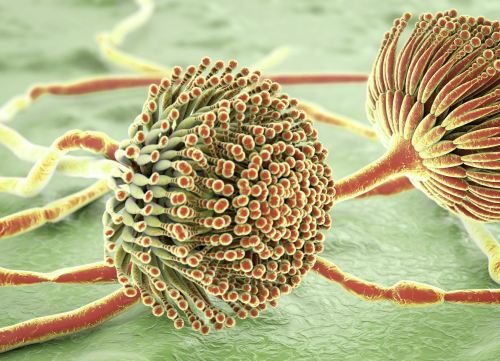
Beta-glucanase enzyme works by liberating beta-glucan, which binds to mycotoxins, preventing their absorption inside the animal's intestines, thus providing protection against mycotoxins.

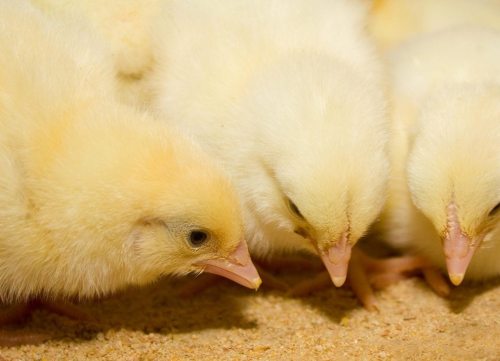
Poultry feed enriched with beta-glucanase enzymes unlocks hidden nutrients trapped in grains, boosting nutrient absorption and potentially lowering feed costs. By breaking down complex sugars, the enzyme improves gut health, leading to faster growth, enhanced egg production, and potentially stronger immune systems in poultry.
In ruminant diets, beta-glucanase unlocks energy trapped in plant cell walls, improving feed digestibility and potentially leading to increased milk production and faster weight gain in cattle and sheep. By breaking down complex sugars, the enzyme promotes a healthier gut environment, potentially reducing methane emissions and contributing to more sustainable livestock production.
 Brand
Brand
| Brand Name |
Betazyme |
|---|---|
| Internal Reference |
HI-ENZ-P |
 Packaging
| Packaging Type |
Bag |
|---|---|
| Packaging size |
25 kg |
 Physical Properties
| Color |
yellowish brown |
|---|---|
| Form |
Powder |
| Solubility |
Insoluble, Soluble |
| Odour |
Odorless |
| Texture |
Fine Powder |
 Usage/Application
| Usage |
Added to animal feed |
|---|---|
| Species |
Fish, Poultry, Ruminants |
 Storage
| Condition |
In dry and clean place |
|---|---|
| Shelf life |
2 years |
In stock
| Appearance |
Brownish white to brown |
|---|---|
| Water Solubility |
Soluble |
| Form |
Powder |
| Odor |
Unique yeast odor |
| Betaglucan % |
≥10% |
| MOS % |
≥10% |
| Moisture content% |
≤ 6.0 % |
| E.coli |
Negative |
| Salmonella |
Negative |
| Staphylococcus aureus |
Negative |
| Enterobacteriacae |
Negative |
| Lead |
≤ 0.005 ppm |
| Cadmium |
≤0.005 ppm |
| Arsenic |
≤0.005 ppm |
| Mercury |
≤0.005 ppm |
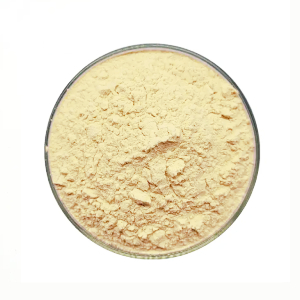
In stock
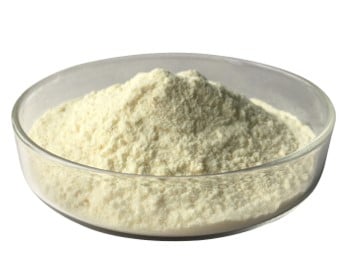
In stock
| Appearance |
White to Slight yellow |
|---|---|
| Water Solubility |
Insoluble |
| Form |
Powder |
| Odor |
Characteristic |
| Loss of drying |
≤5.0 % |
| Activity |
≥ 10000 I.U/gm |
| E.coli |
Negative |
| Salmonella |
Negative |
| Staphylococcus aureus |
Negative |
| Enterobacteriacae |
Negative |
| Lead |
≤ 0.005 ppm |
| Cadmium |
≤0.005 ppm |
| Arsenic |
≤0.005 ppm |
| Mercury |
≤0.005 ppm |
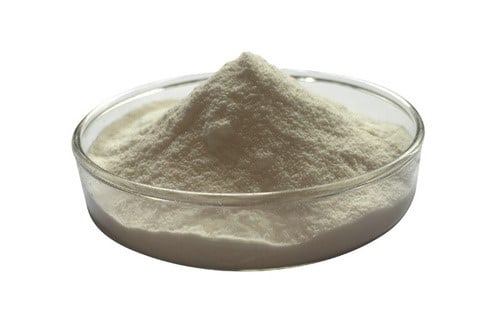
In stock
| Appearance |
whitish to brown color |
|---|---|
| Water Solubility |
Soluble |
| Form |
Powder |
| Odor |
Characteristic |
| Loss of drying |
≤5.0 % |
| Activity |
≥ 100000 I.U/gm. |
| E.coli |
Negative |
| Salmonella |
Negative |
| Staphylococcus aureus |
Negative |
| Enterobacteriacae |
Negative |
| Lead |
≤ 0.005 ppm |
| Cadmium |
≤0.005 ppm |
| Arsenic |
≤0.005 ppm |
| Mercury |
≤0.005 ppm |
In stock
| Appearance |
whitish to brown color |
|---|---|
| Water Solubility |
Insoluble |
| Form |
Powder |
| Odor |
Characteristic |
| Loss of drying |
≤5.0 % |
| Activity |
≥ 20000 I.U/gm. |
| E.coli |
Negative |
| Salmonella |
Negative |
| Staphylococcus aureus |
Negative |
| Enterobacteriacae |
Negative |
| Lead |
≤ 0.005 ppm |
| Cadmium |
≤0.005 ppm |
| Arsenic |
≤0.005 ppm |
| Mercury |
≤0.005 ppm |
No account yet?
Create an Account
Reviews
Clear filtersThere are no reviews yet.