






-
 Courier delivery
Courier delivery
 Warranty 1 year
 Free 30-Day returns



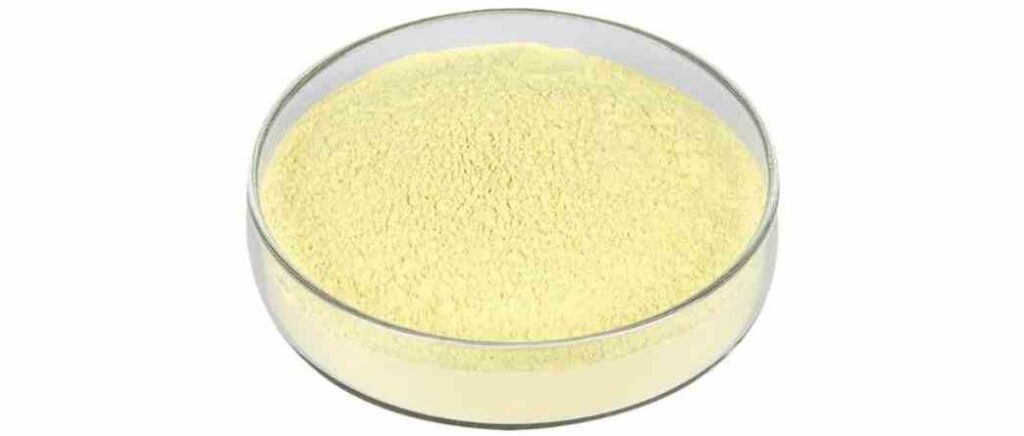
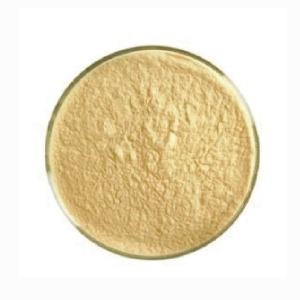
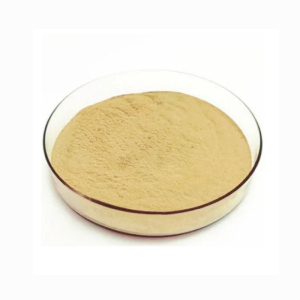
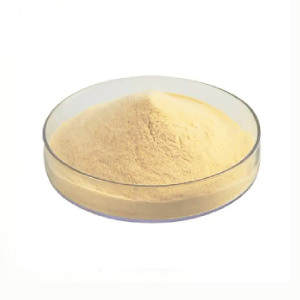
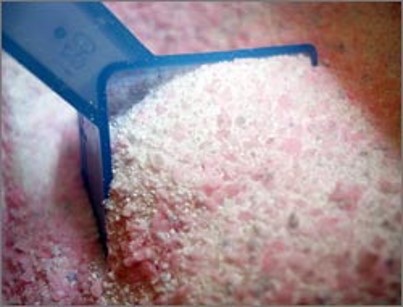
The amylase enzyme is available in the form of a fine powder that makes it easier for manufacturers to use the enzyme, as this provides many advantages, including
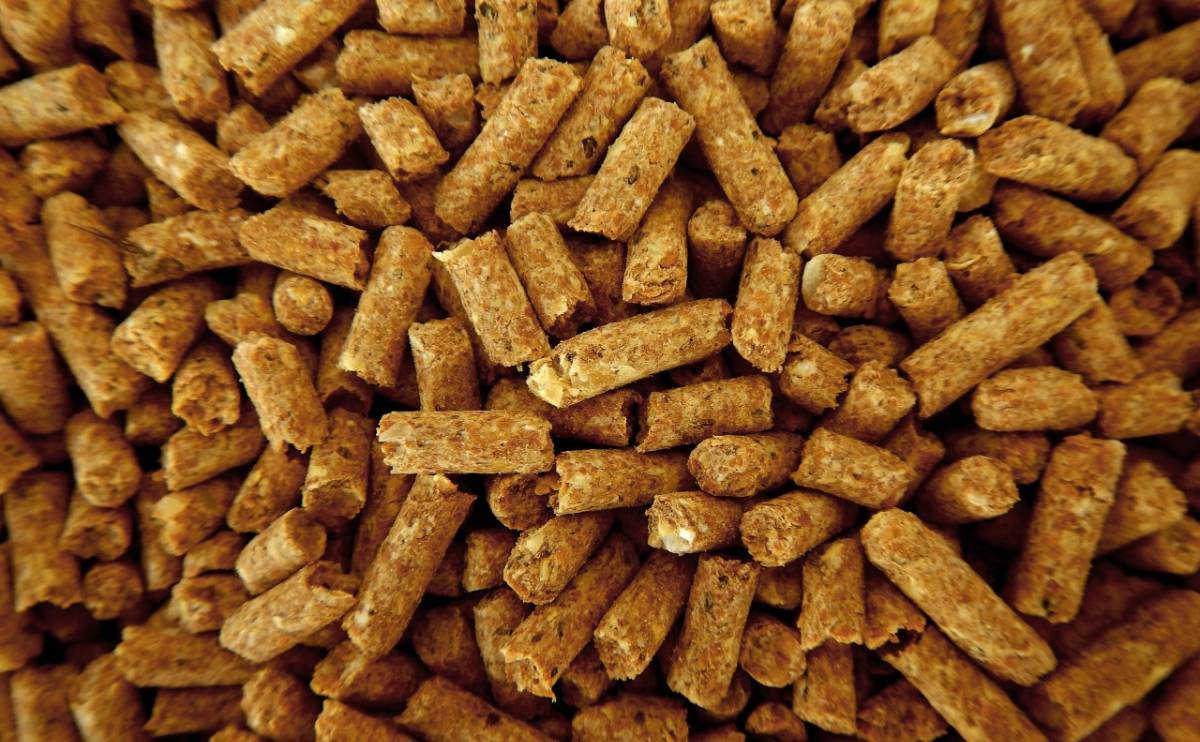

Finely ground enzymes distribute more evenly throughout the feed mixture, ensuring that every animal receives a consistent dose. This leads to improved efficacy and optimal nutrient absorption for your livestock

With a larger surface area, finely powdered enzymes come into contact with feed components quickly. This can lead to faster enzyme activity and improved feed digestibility. So it improve feed efficiency and increase the feed producer profits.

Fine powders, unlike larger granules, create minimal dust during handling. This protects both you and your workers from inhaling potentially irritating particles.
PhytoBiochem's amylase enzymes, regardless of their concentration or form, won't physically alter the characteristics of your feed. Here's why:
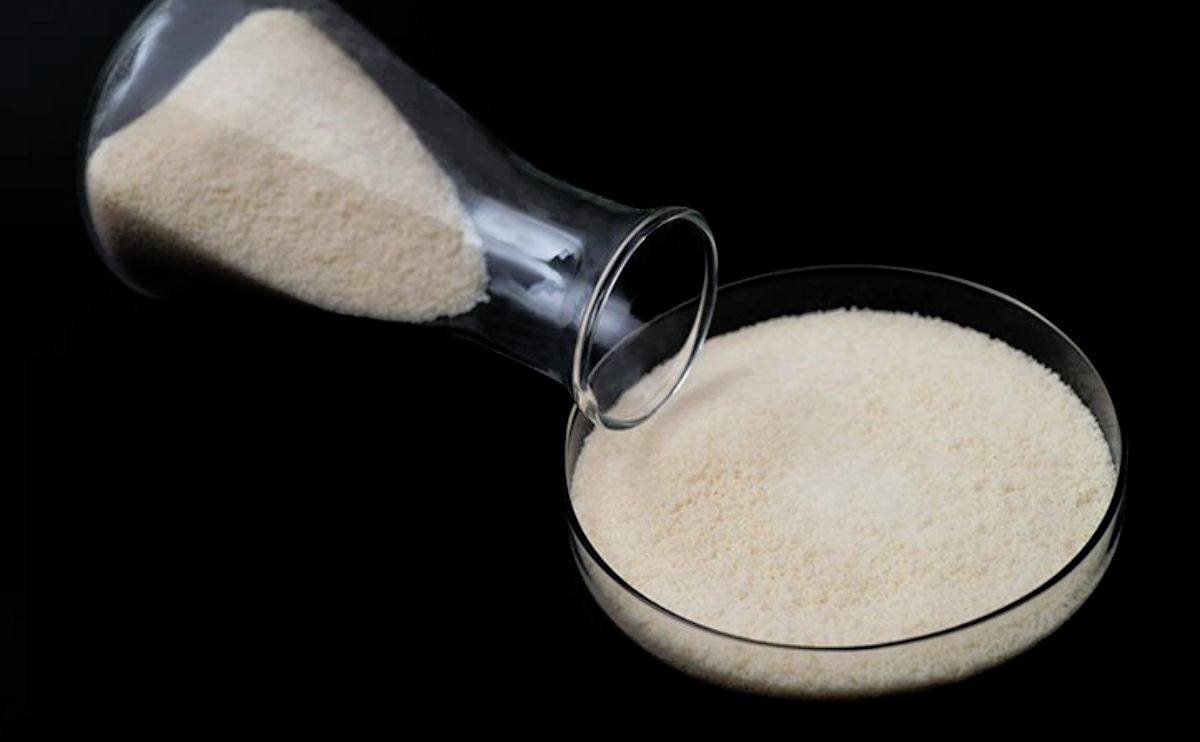

These enzymes only interact with specific starch molecules, leaving other feed components like proteins, fiber, and minerals untouched. This preserves the overall integrity and nutritional value of your feed.

PhytoBiochem offers amylases in various forms, including soluble and insoluble powders. Each form can be easily incorporated into your existing feed mixing process without modifying its physical properties.

Amylase enzymes are incredibly small molecules, acting on a microscopic level to break down starch into simpler sugars. This means they don't affect the feed's texture, palatability, or appearance.
PhytoBiochem provides the amylase enzyme with the highest international quality standards to ensure the best results, as PhytoBiochem guarantees the highest results at the lowest costs.

PhytoBiochem's enzymes boast high activity levels, ensuring efficient starch breakdown and nutrient release. Additionally, they're formulated for stability, remaining active throughout the animal's digestive process for maximum benefit.

PhytoBiochem recognizes that form matters. They offer their enzymes in powder form for ease of mixing, handling, and compatibility with different feed types. To facilitate the use of amylase enzyme as a feed additives.

While PhytoBiochem's enzymes are high-quality, they prioritize cost-effectiveness. By helping you choose the right enzyme type, concentration, and form for your specific needs, they prevent unnecessary waste and ensure you get the most out of your investment.

PhytoBiochem's team of animal nutritionists is readily available to assist you in selecting the perfect enzyme for your livestock and feed mix. They can help you navigate the various factors like animal species, feed composition, and desired outcomes to ensure optimal feed efficiency and animal performance.
PhytoBiochem's heat-resistant amylase enzyme offers several compelling benefits for the feed processing industry, boosting both efficiency and profitability:
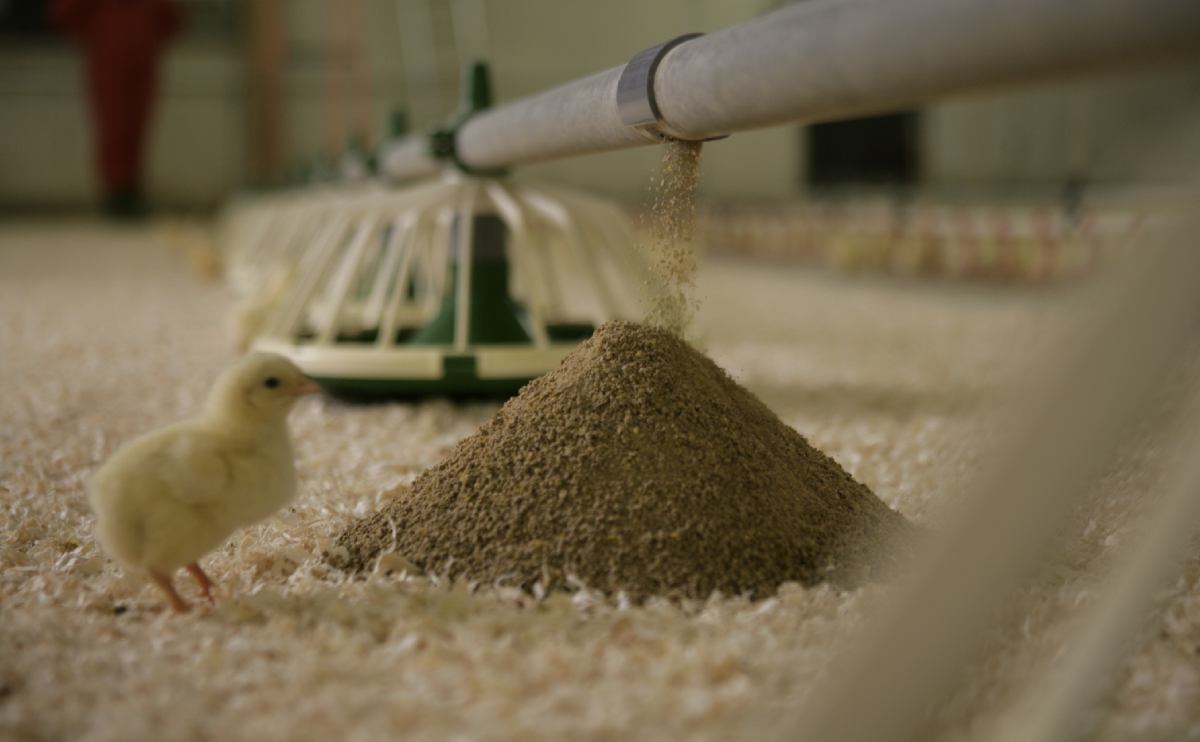

You can rely on the enzyme to consistently break down starches into readily digestible sugars, optimizing nutrient utilization by animals.

Consistent enzyme action ensures the uniform breakdown of starches, leading to a more digestible and nutritious feed.

The sustained activity allows for lower enzyme dosages, minimizing production costs.
High concentrations of amylase enzyme can offer several advantages for manufacturers:
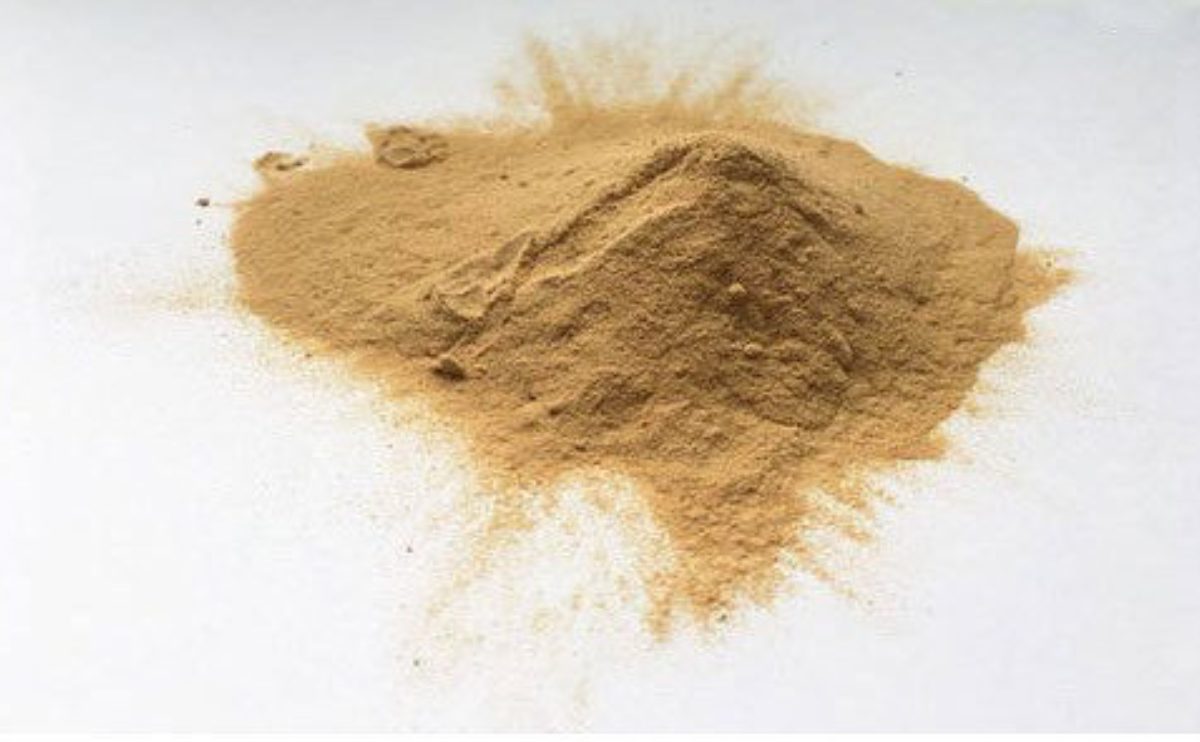

Using a highly concentrated enzyme allows manufacturers to use lower doses per production batch. This leads to significant cost savings, especially for large-scale operations.And that increse the feed producer's profits

Higher enzyme concentrations lead to faster and more efficient processing times. This is because a smaller amount of enzyme breaks down the same amount of substrate as a larger amount of a less concentrated enzyme.

Consistent, high-concentration enzyme powder can contribute to better quality control in manufacturing processes. This is because there is less variation in enzyme activity from batch to batch.

Highly concentrated enzymes can be used in a wider range of applications than less concentrated enzymes. This is because they can be more effective in challenging conditions, such as high temperatures or acidic environments.
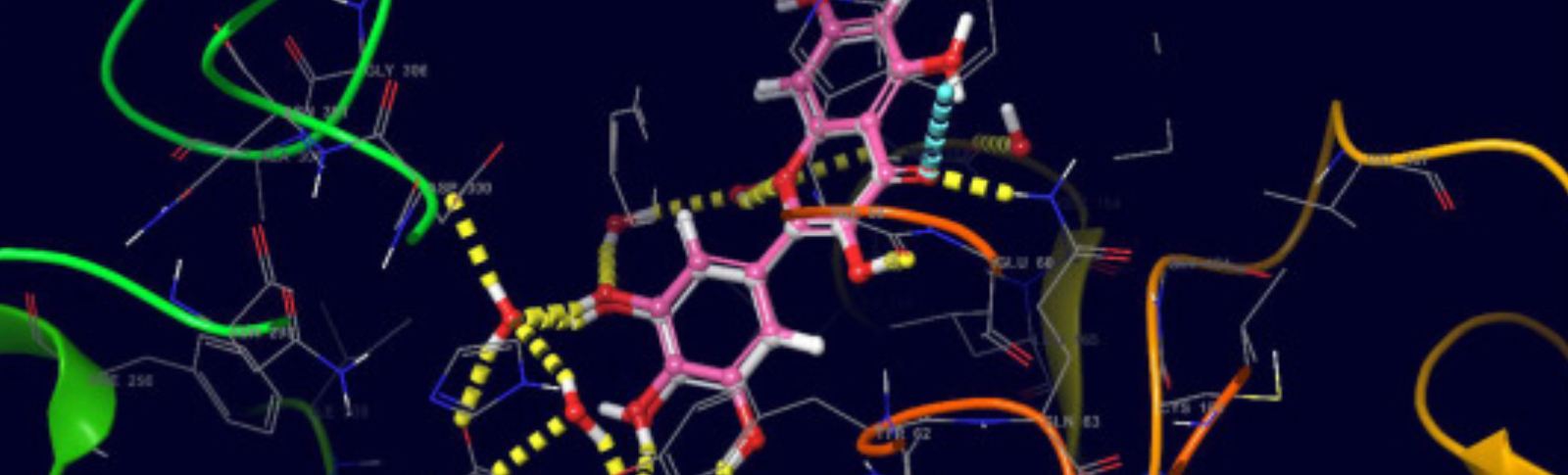
Amylase enzymes break down starch, a complex carbohydrate abundant in many feed ingredients, into simpler sugars like glucose and maltose. This makes it easier for animals to digest and absorb the nutrients in their feed, leading to better overall performance and growth.
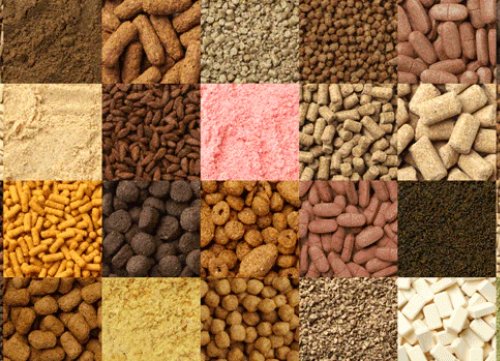
Improved digestibility means animals need less feed to consume the same energy and nutrients. This reduces feed costs and has a smaller environmental footprint due to lower feed production and waste.
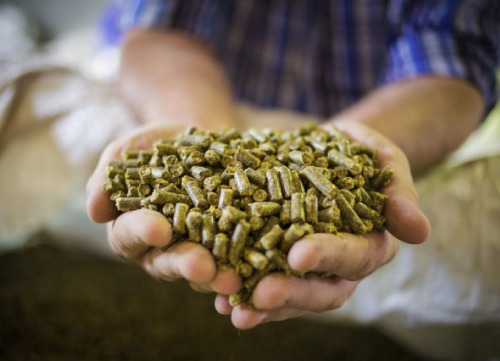
Amylase enzymes can potentially reduce the energy required for digestion, particularly in ruminant animals like cows. This is because the simpler sugars produced by the enzyme require less energy to break down compared to complex starches.

Amylase enzymes allow feedstuffs to have a higher starch content, increasing flexibility in feed formulation and potentially reducing dependence on more expensive ingredients.
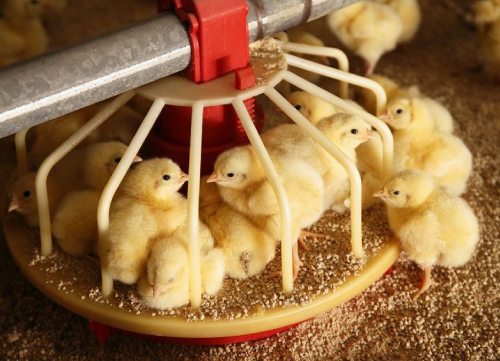
When animals can better utilize the nutrients in their feed, they experience improved growth rates, weight gain, and milk production in dairy animals. Additionally, they gain stronger immune systems and are less susceptible to diseases.
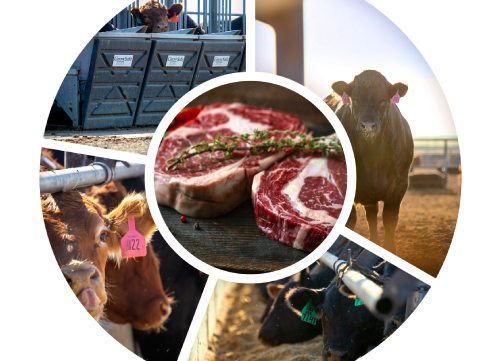
Improved feed efficiency and animal performance produce less waste and lower ammonia emissions from animal feces.


Adding amylase to poultry feed has potential benefits for digestion and energy absorption, particularly for young birds or those fed high-starch diets. It improves starch breakdown, leading to better growth, egg production, and feed efficiency.

Adding the amylase enzyme to livestock feed leads to the release of the energy present in the feed, as it works to digest the starches present in all feed components and thus provides the energy that the animal needs for production, whether to gain weight or produce milk.
 Brand
Brand
| Brand Name |
Amylozyme |
|---|---|
| Internal Reference |
HI-ENZ-P |
 Packaging
| Packaging Type |
Bag |
|---|---|
| Packaging size |
25 kg |
 Physical Properties
| Color |
yellowish brown |
|---|---|
| Form |
Powder |
| Solubility |
Insoluble, Soluble |
| Odour |
Odorless |
| Texture |
Fine Powder |
 Usage/Application
| Usage |
Added to animal feed |
|---|---|
| Species |
Fish, Poultry, Ruminants |
 Storage
| Condition |
In dry and clean place |
|---|---|
| Shelf life |
2 years |
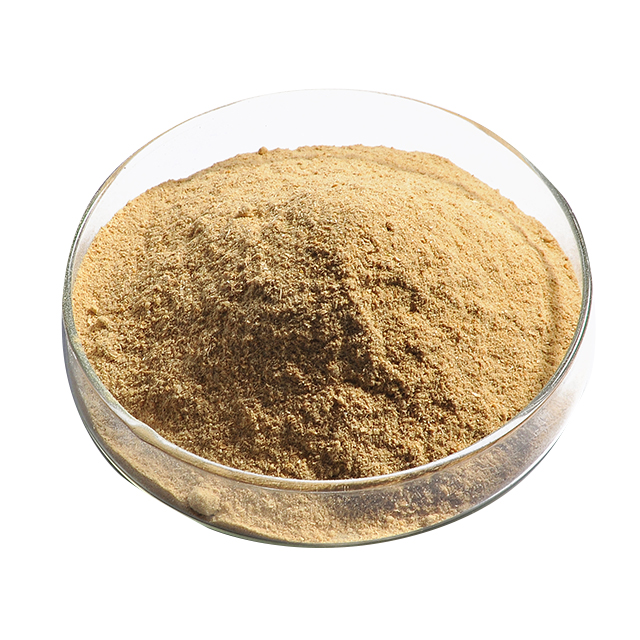
In stock
| Appearance |
Brownish white to brown |
|---|---|
| Water Solubility |
Soluble |
| Form |
Powder |
| Odor |
Unique yeast odor |
| Betaglucan % |
≥10% |
| MOS % |
≥10% |
| Moisture content% |
≤ 6.0 % |
| E.coli |
Negative |
| Salmonella |
Negative |
| Staphylococcus aureus |
Negative |
| Enterobacteriacae |
Negative |
| Lead |
≤ 0.005 ppm |
| Cadmium |
≤0.005 ppm |
| Arsenic |
≤0.005 ppm |
| Mercury |
≤0.005 ppm |
In stock
In stock
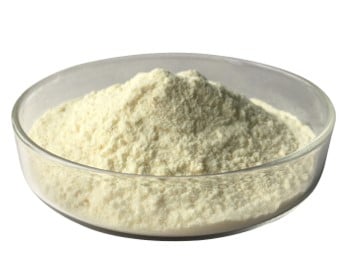
| Appearance |
White to Slight yellow |
|---|---|
| Water Solubility |
Insoluble |
| Form |
Powder |
| Odor |
Characteristic |
| Loss of drying |
≤5.0 % |
| Activity |
≥ 10000 I.U/gm |
| E.coli |
Negative |
| Salmonella |
Negative |
| Staphylococcus aureus |
Negative |
| Enterobacteriacae |
Negative |
| Lead |
≤ 0.005 ppm |
| Cadmium |
≤0.005 ppm |
| Arsenic |
≤0.005 ppm |
| Mercury |
≤0.005 ppm |
In stock
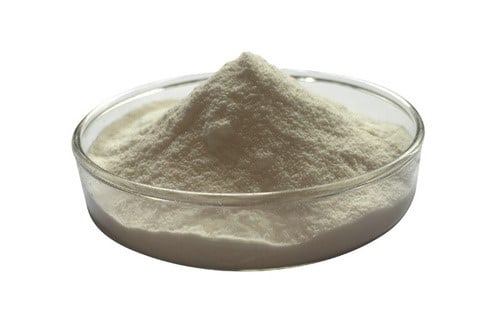
| Appearance |
whitish to brown color |
|---|---|
| Water Solubility |
Soluble |
| Form |
Powder |
| Odor |
Characteristic |
| Loss of drying |
≤5.0 % |
| Activity |
≥ 100000 I.U/gm. |
| E.coli |
Negative |
| Salmonella |
Negative |
| Staphylococcus aureus |
Negative |
| Enterobacteriacae |
Negative |
| Lead |
≤ 0.005 ppm |
| Cadmium |
≤0.005 ppm |
| Arsenic |
≤0.005 ppm |
| Mercury |
≤0.005 ppm |
In stock
| Appearance |
whitish to brown color |
|---|---|
| Water Solubility |
Insoluble |
| Form |
Powder |
| Odor |
Characteristic |
| Loss of drying |
≤5.0 % |
| Activity |
≥ 20000 I.U/gm. |
| E.coli |
Negative |
| Salmonella |
Negative |
| Staphylococcus aureus |
Negative |
| Enterobacteriacae |
Negative |
| Lead |
≤ 0.005 ppm |
| Cadmium |
≤0.005 ppm |
| Arsenic |
≤0.005 ppm |
| Mercury |
≤0.005 ppm |
No account yet?
Create an Account 


Reviews
Clear filtersThere are no reviews yet.