






 Courier delivery
 Warranty 1 year
 Free 30-Day returns



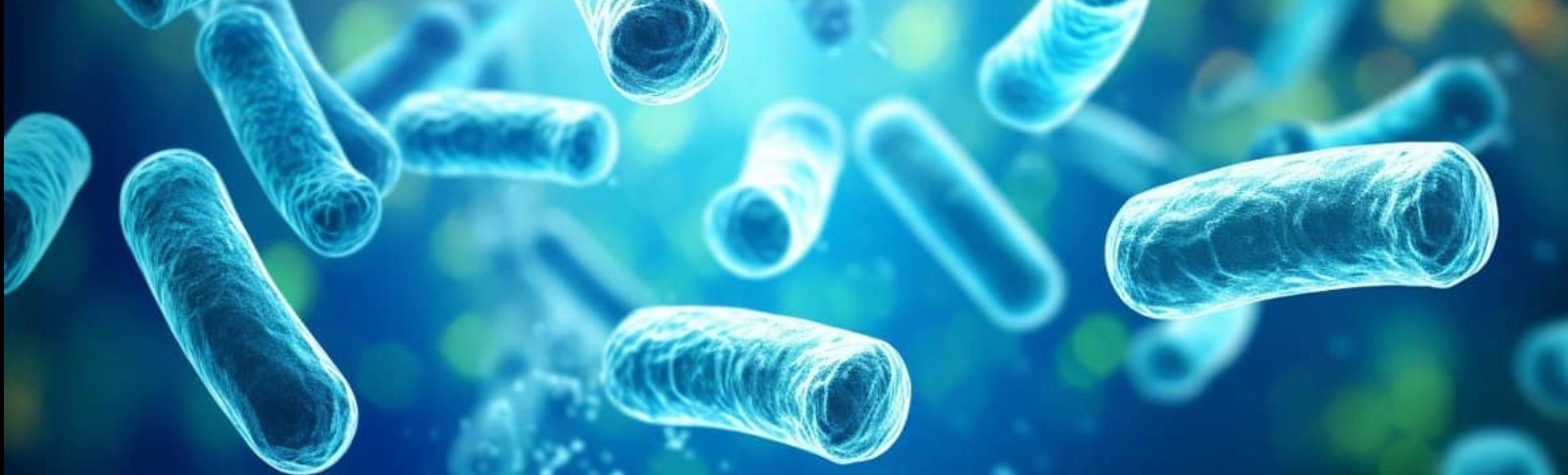
Lactociline contains Lactobacillus bacteria, which are bacteria that produce organic acids and play an important role in solving soil problems and improving soil fertility.
Lactociline plays an important role in the process of fixing atmospheric nitrogen in the soil, as it enhances the nitrification process, which is the process in which atmospheric nitrogen is transformed into nitrate to facilitate its absorption by plants.
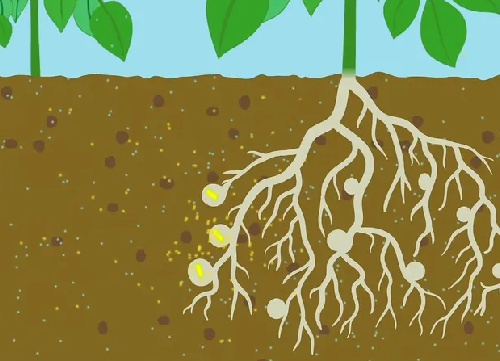
Lactociline plays an important role in activating the plant's natural phytohormones, such as auxins and cytokines, which in turn increase cell growth and elongation and increase the number of branches.

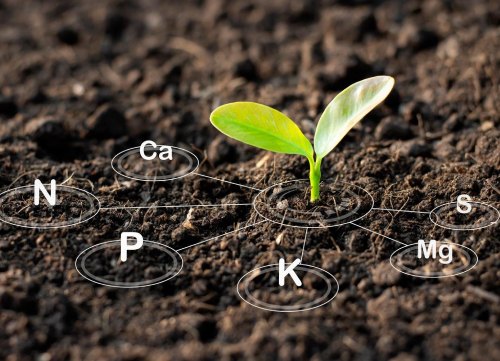
Lactociline secretes a group of organic acids that help dissolve the nutrients in the soil and transform them into a form that the plant can easily absorb.
Lactociline is characterized by its ability to produce antioxidants that eliminate free radicals to which the plant is exposed during periods of stress, which affect the productivity of agricultural crops.

This is through its role in increasing the numbers of beneficial bacteria, which in turn compete with harmful bacteria and reduce their numbers in the soil.
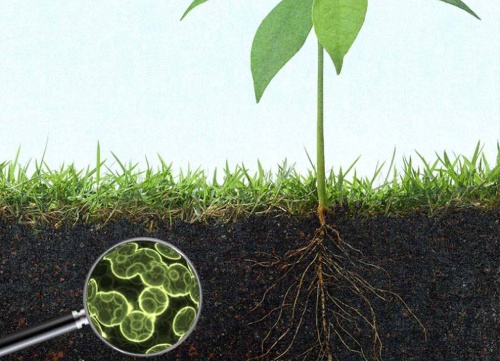
Lactociline secretes a group of antibacterial substances, such as bacteriocins, which cause damage to bacterial cell membranes and inhibit the growth of harmful bacteria.
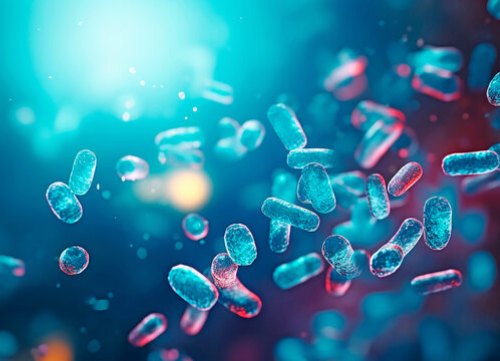
Lactociline secretes antifungal substances that help eliminate harmful fungi that affect agricultural crops.
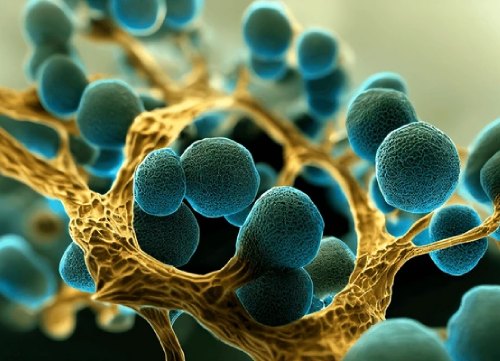
This is through its role in producing a group of organic acids that dissolve salts present in the soil and thus reduce their harmful effect on the productivity of agricultural crops.
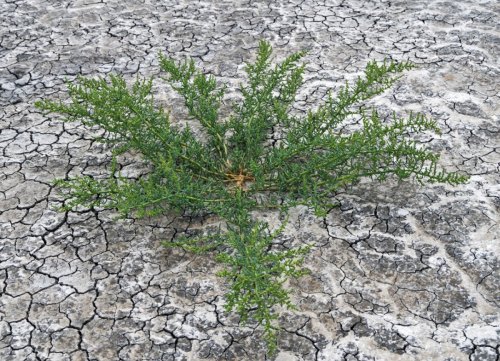
This is due to the organic acids secreted by Lactobacillus bacteria, which work to neutralize alkalinity and solve alkaline soil problems, such as the lack of absorption of nutrients into it.

Lactociline works to improve soil fertility through its role in producing organic acids, which in turn decompose organic materials and increase the availability of nutrients to make it easier for the plant to absorb them.

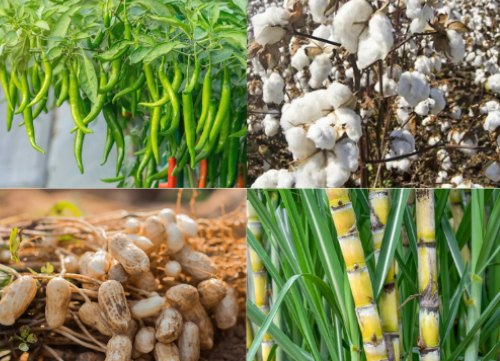
This is due to its role in increasing the availability of nutrients to the plant and activating natural plant hormones (Phytohormones) that increase the number of branches to obtain the highest productivity from an acre.
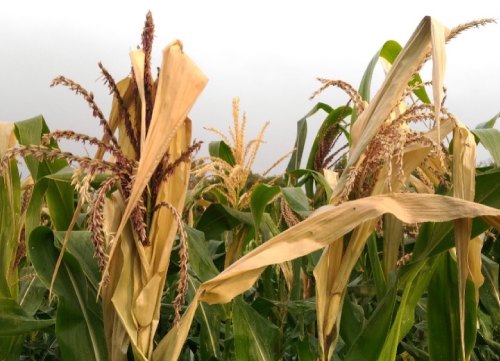
This is due to the important role that lactociline plays in raising the level of antioxidants that increase the plant’s resistance to various stresses such as salinity, high temperatures, and frost waves.
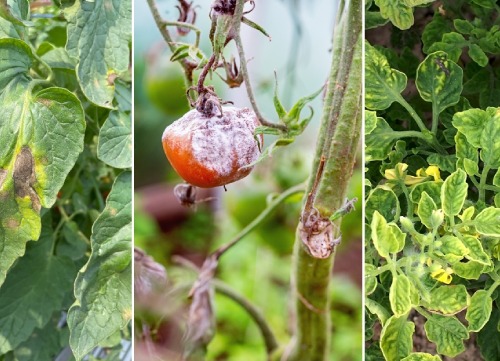
As it works to raise the plant’s immunity, in addition to its role in producing harmful antibacterial and antifungal substances to protect the plant from various bacterial and fungal diseases such as powdery mildew. It also enhances the microbial balance in the soil and thus provides protection against soil diseases such as root rot.
This is due to its role in improving soil fertility, improving soil structure, and enhancing the availability of various nutrients, in addition to its role in enhancing the process of fixing atmospheric nitrogen in the soil and thus gradually reducing the use of chemical fertilizers.


1 kilogram/600 liters of water

1 kilo/acre
 Brand
Brand
| Brand Name |
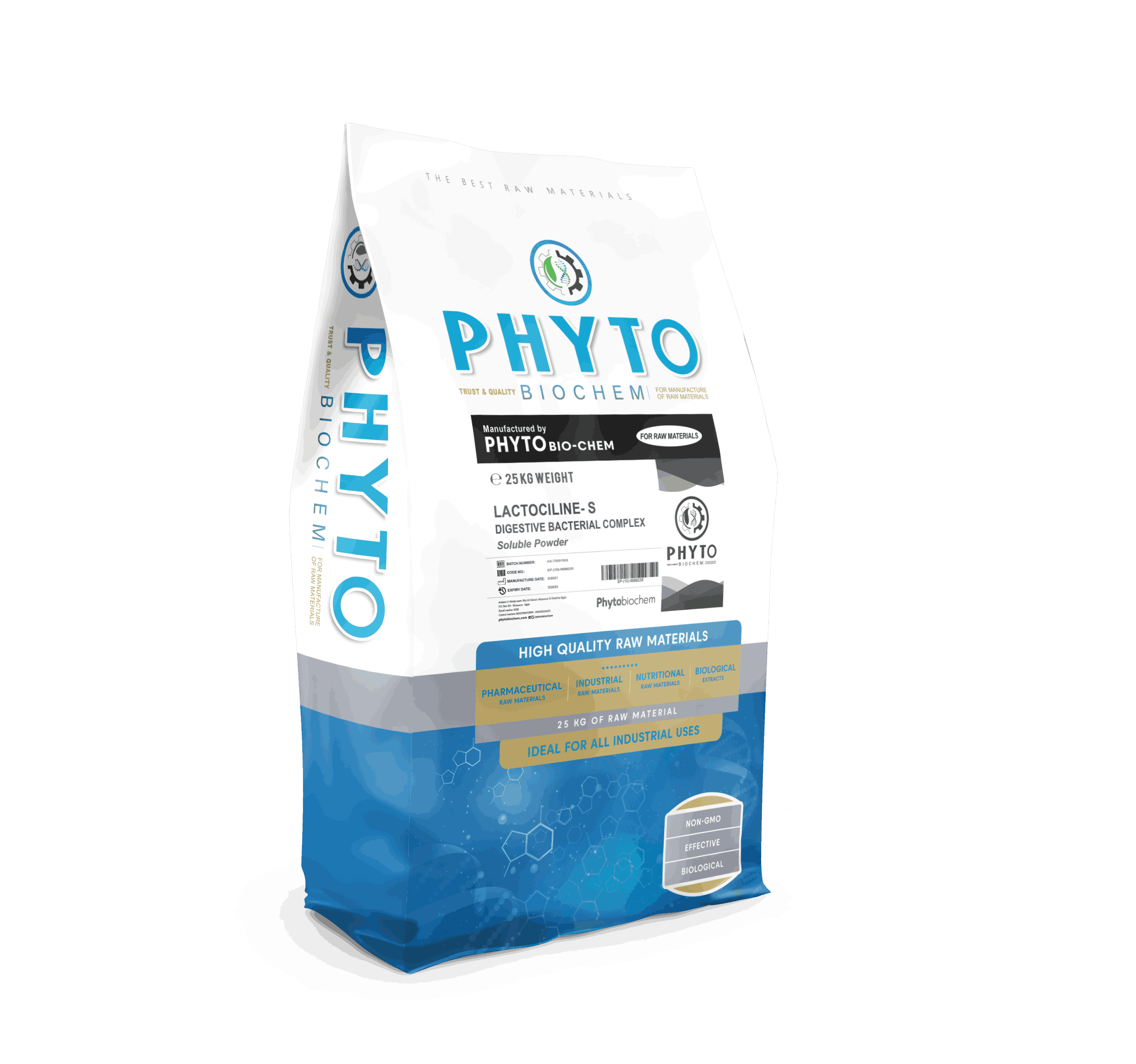
Lactociline |
|---|---|
| Internal Reference |
HI-DGP-P |
 Packaging
| Packaging Type |
Bag |
|---|---|
| Packaging size |
25 kg |
 Physical Properties
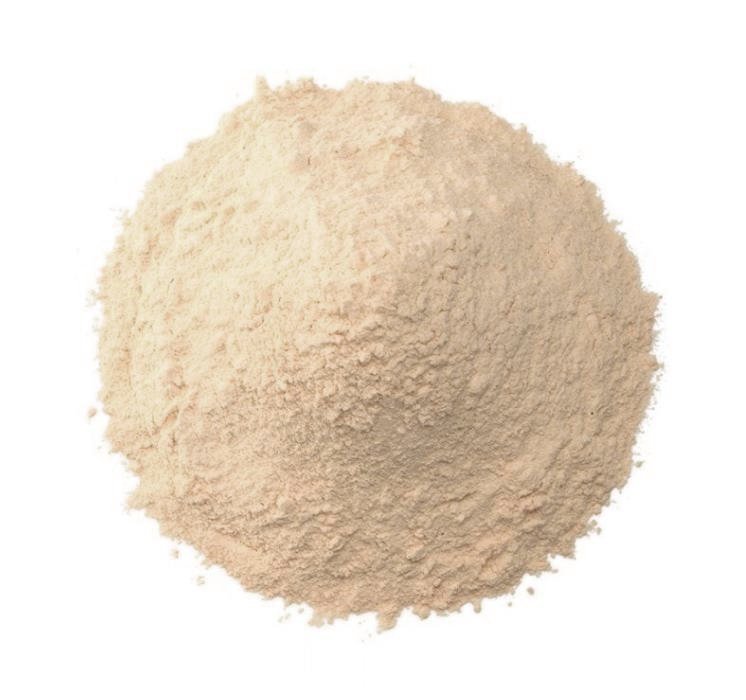
| Color |
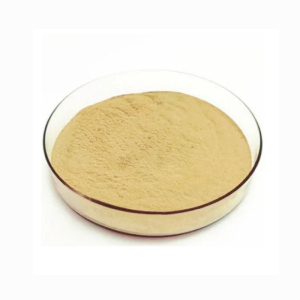
yellowish brown |
|---|---|
| Form |
Powder |
| Solubility |
Soluble |
| Odour |
Odorless |
| Texture |
Fine Powder |
 Usage/Application
| Usage |
Added to irrigation water |
|---|
 Storage
| Condition |
In dry and clean place |
|---|---|
| Shelf life |
2 years |
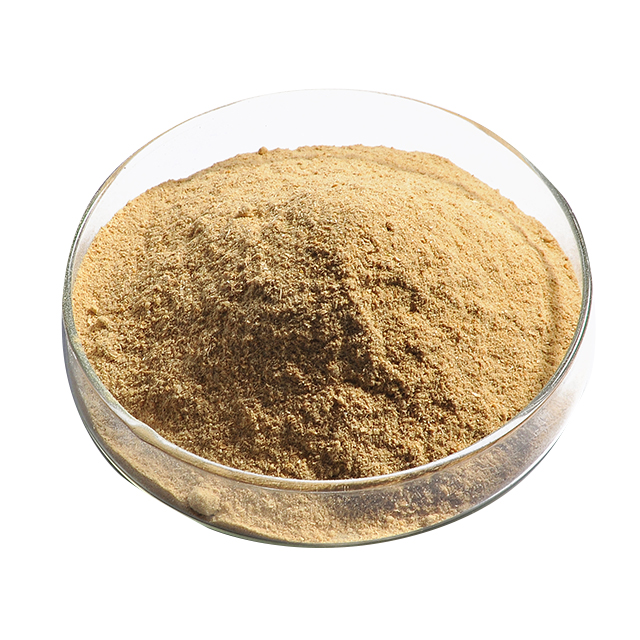
In stock
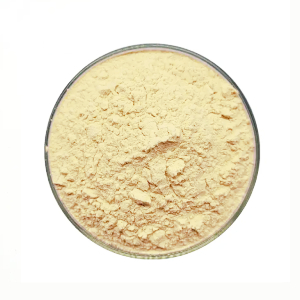
| Appearance |
Brownish white to brown |
|---|---|
| Water Solubility |
Soluble |
| Form |
Powder |
| Odor |
Unique yeast odor |
| Betaglucan % |
≥10% |
| MOS % |
≥10% |
| Moisture content% |
≤ 6.0 % |
| E.coli |
Negative |
| Salmonella |
Negative |
| Staphylococcus aureus |
Negative |
| Enterobacteriacae |
Negative |
| Lead |
≤ 0.005 ppm |
| Cadmium |
≤0.005 ppm |
| Arsenic |
≤0.005 ppm |
| Mercury |
≤0.005 ppm |
In stock
In stock
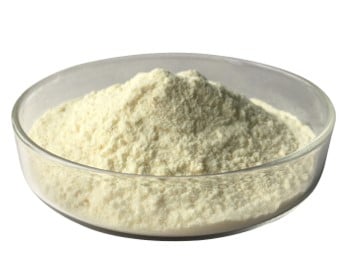
| Appearance |
White to Slight yellow |
|---|---|
| Water Solubility |
Insoluble |
| Form |
Powder |
| Odor |
Characteristic |
| Loss of drying |
≤5.0 % |
| Activity |
≥ 10000 I.U/gm |
| E.coli |
Negative |
| Salmonella |
Negative |
| Staphylococcus aureus |
Negative |
| Enterobacteriacae |
Negative |
| Lead |
≤ 0.005 ppm |
| Cadmium |
≤0.005 ppm |
| Arsenic |
≤0.005 ppm |
| Mercury |
≤0.005 ppm |
In stock
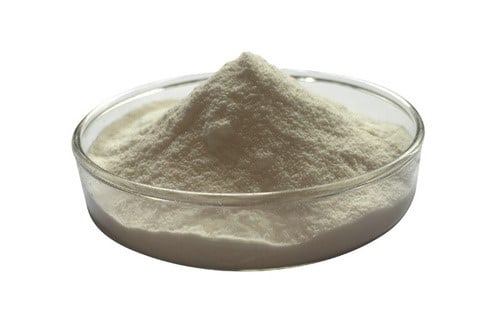
| Appearance |
whitish to brown color |
|---|---|
| Water Solubility |
Soluble |
| Form |
Powder |
| Odor |
Characteristic |
| Loss of drying |
≤5.0 % |
| Activity |
≥ 100000 I.U/gm. |
| E.coli |
Negative |
| Salmonella |
Negative |
| Staphylococcus aureus |
Negative |
| Enterobacteriacae |
Negative |
| Lead |
≤ 0.005 ppm |
| Cadmium |
≤0.005 ppm |
| Arsenic |
≤0.005 ppm |
| Mercury |
≤0.005 ppm |
In stock
| Appearance |
whitish to brown color |
|---|---|
| Water Solubility |
Insoluble |
| Form |
Powder |
| Odor |
Characteristic |
| Loss of drying |
≤5.0 % |
| Activity |
≥ 20000 I.U/gm. |
| E.coli |
Negative |
| Salmonella |
Negative |
| Staphylococcus aureus |
Negative |
| Enterobacteriacae |
Negative |
| Lead |
≤ 0.005 ppm |
| Cadmium |
≤0.005 ppm |
| Arsenic |
≤0.005 ppm |
| Mercury |
≤0.005 ppm |
No account yet?
Create an Account
Reviews
Clear filtersThere are no reviews yet.