






 Courier delivery
 Warranty 1 year
 Free 30-Day returns



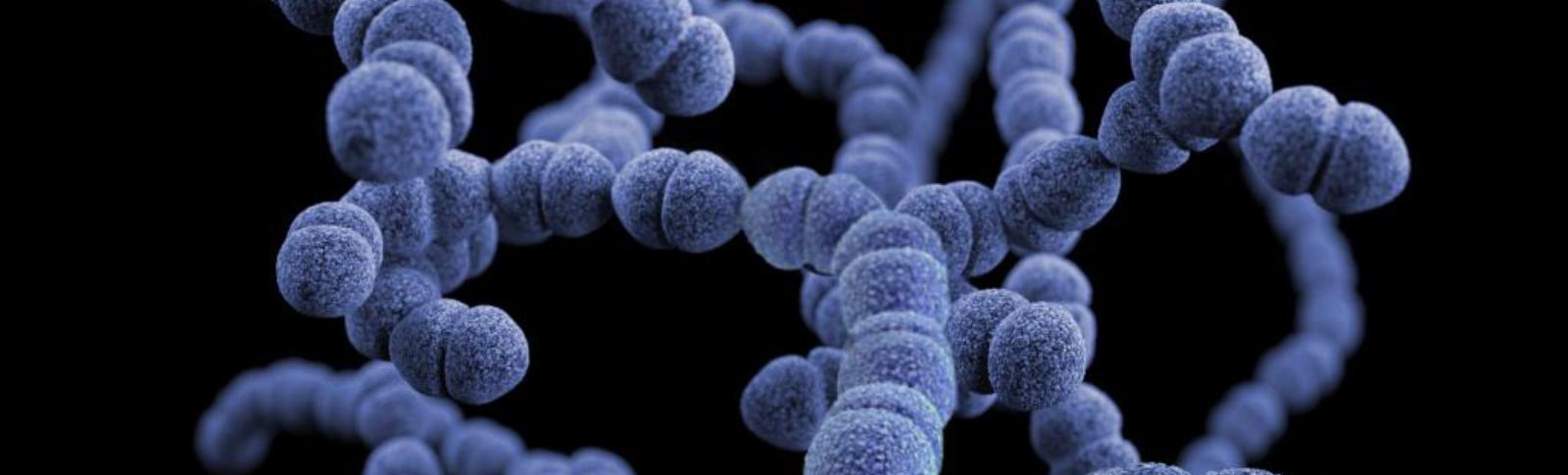
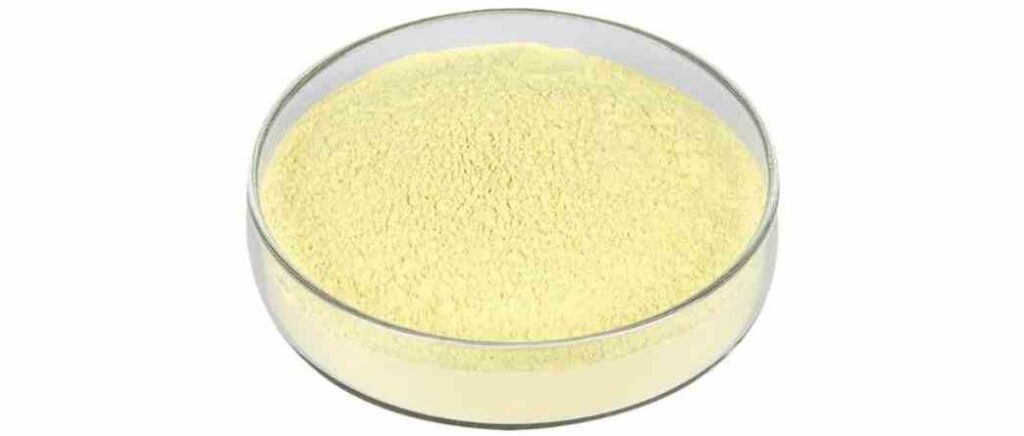
Encapsulation is a crucial element in Enterolac's functionality for feed manufacturers. Here's how it adds value:
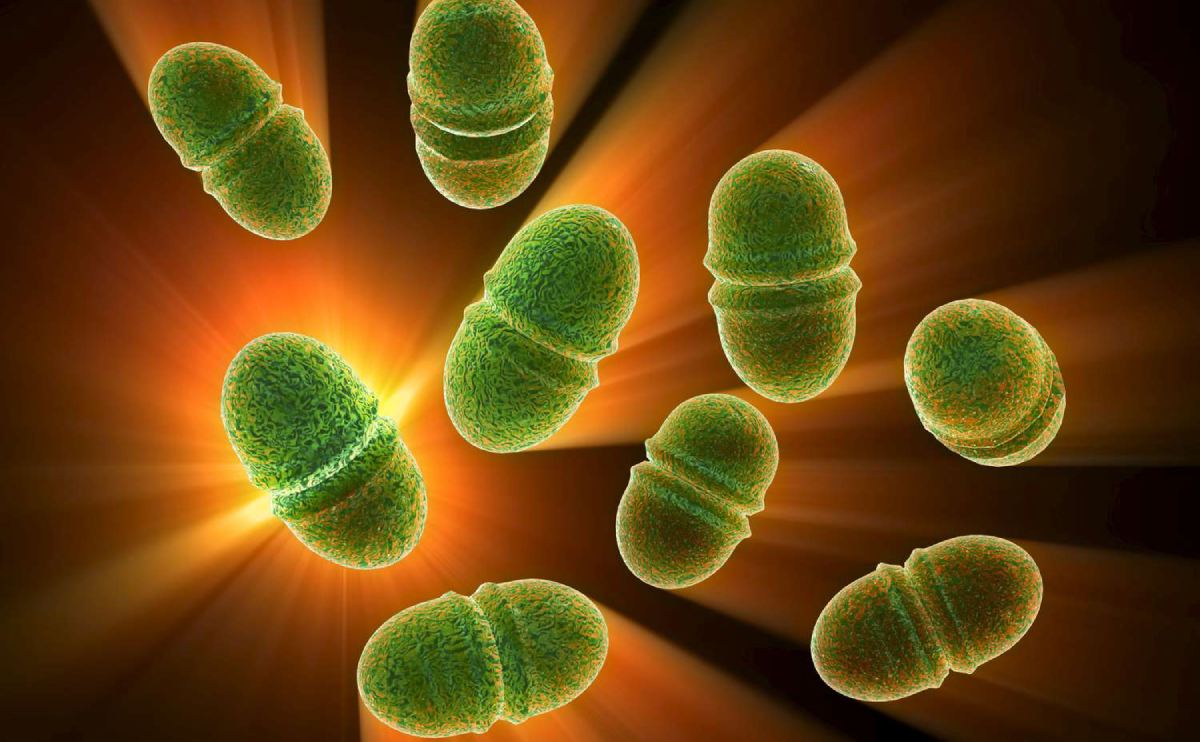

Encapsulation protects the sensitive Enterococcus bacteria from the high temperatures encountered during feed processing and pelleting.

Encapsulation ensures survival and effectiveness of Enterolac throughout the feed chain, allowing manufacturers greater flexibility in their production processes.

Encapsulation techniques can control the survival of the bacteria. This enables targeted delivery to specific sections of the animal's digestive tract, maximizing their beneficial impact.

Encapsulation acts as a physical barrier, preventing the Enterococcus bacteria from interacting with other ingredients in the feed or the environment and maintaining the product's safety and quality.

The protective coating provided by encapsulation shields the bacteria from environmental stresses like moisture, oxygen, and light. This enhances their stability and longevity, leading to a longer shelf life for the feed product.
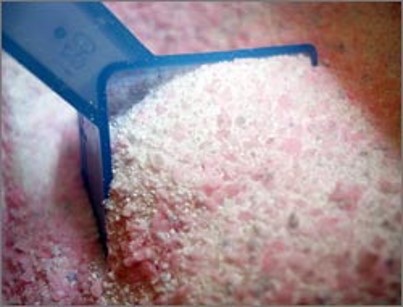
There are several reasons why the fine powder form of Enterolac is preferred by animal feed manufacturers:
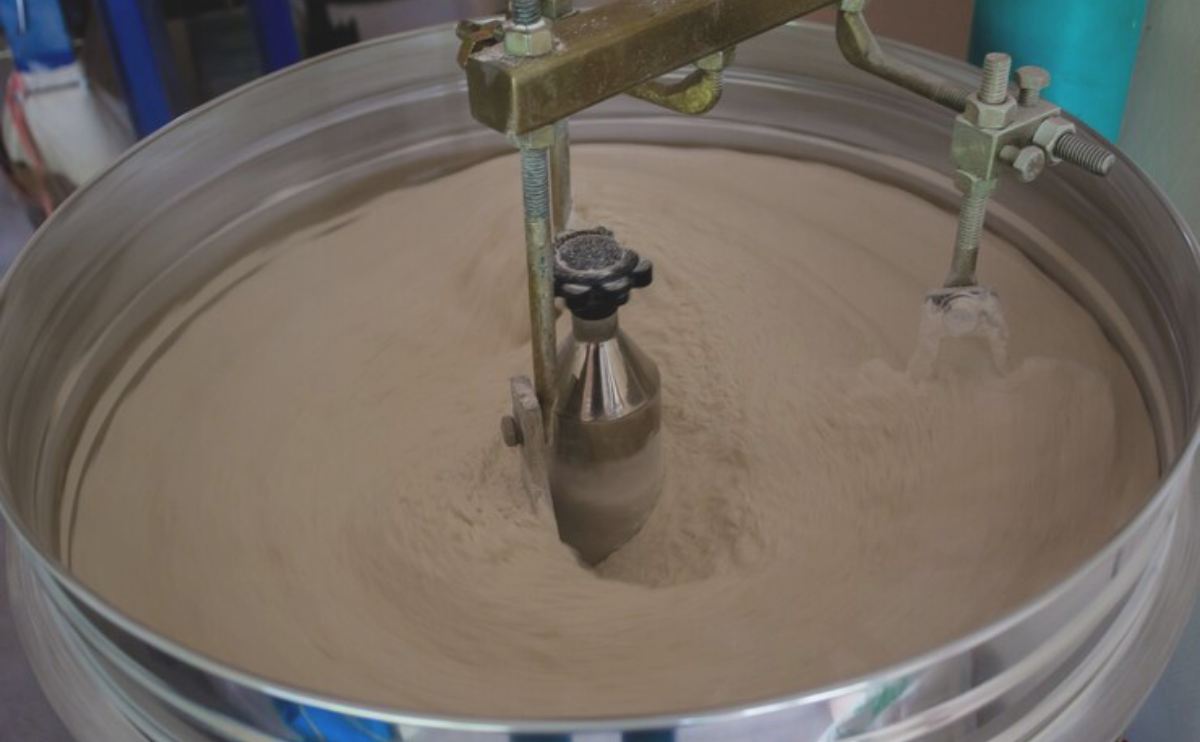

Fine powders are generally easier to mix into feed formulations compared to larger particles or liquid additives. This simplifies the manufacturing process and ensures even distribution of Enterolac throughout the feed.

Fine powders blend more smoothly with other feed ingredients, leading to better cohesion and fewer cracks or crumbles in the final pellets. This improves overall feed quality and reduces losses due to wastage.

Fine powders offer manufacturers greater flexibility in formulating different types of feed. They can be easily incorporated into pellet, mash, or even liquid feed forms, catering to the specific needs of different animal species and production systems.

Some research suggests that finely ground probiotic bacteria may have better bioavailability, meaning they are more easily absorbed and utilized by the animal's digestive system. This could potentially lead to greater probiotic benefits compared to larger particles.
Several factors make a high concentration of Enterolac appealing to animal feed manufacturers:
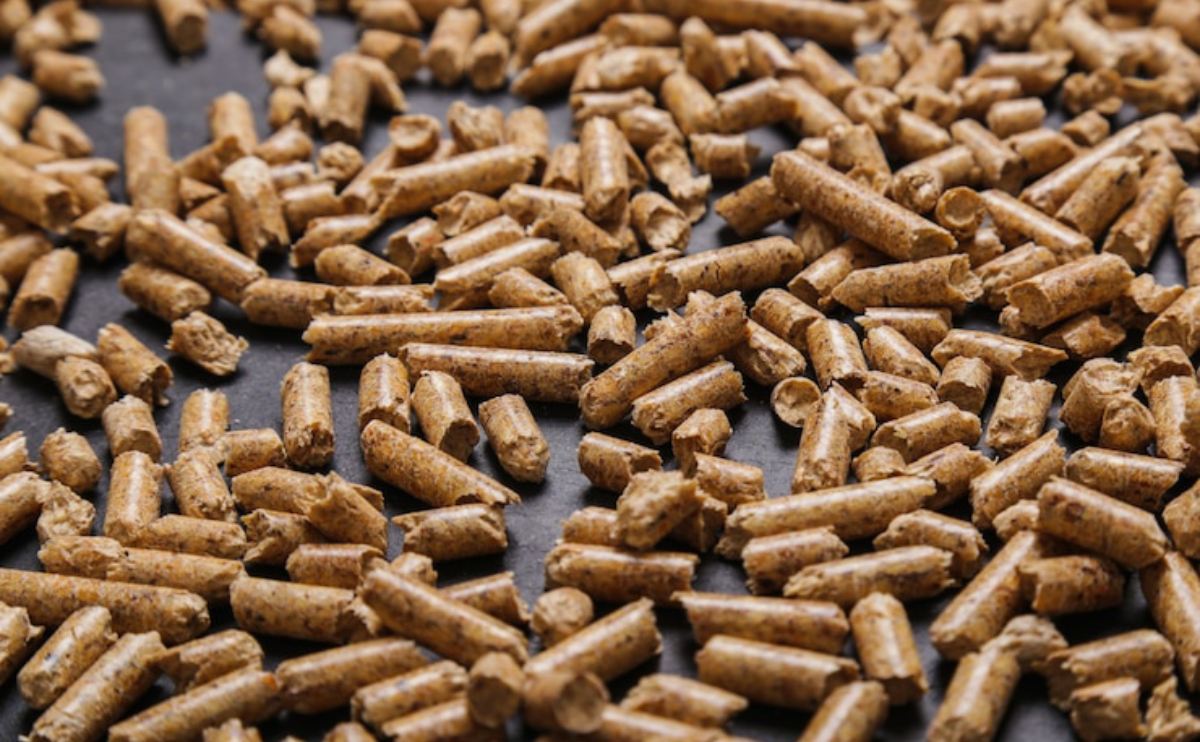

With a higher concentration, manufacturers need to add less Enterolac powder to achieve the desired probiotic effect.

This is due to the high concentration of Enterolac, which allows manufacturers to use lower doses and thus reduce the costs of manufacturing.

A highly concentrated form means less overall volume needs to be added to the feed, saving space during storage and transportation.
Several factors make the odorless and colorless nature of Enterolac appealing to animal feed manufacturers:
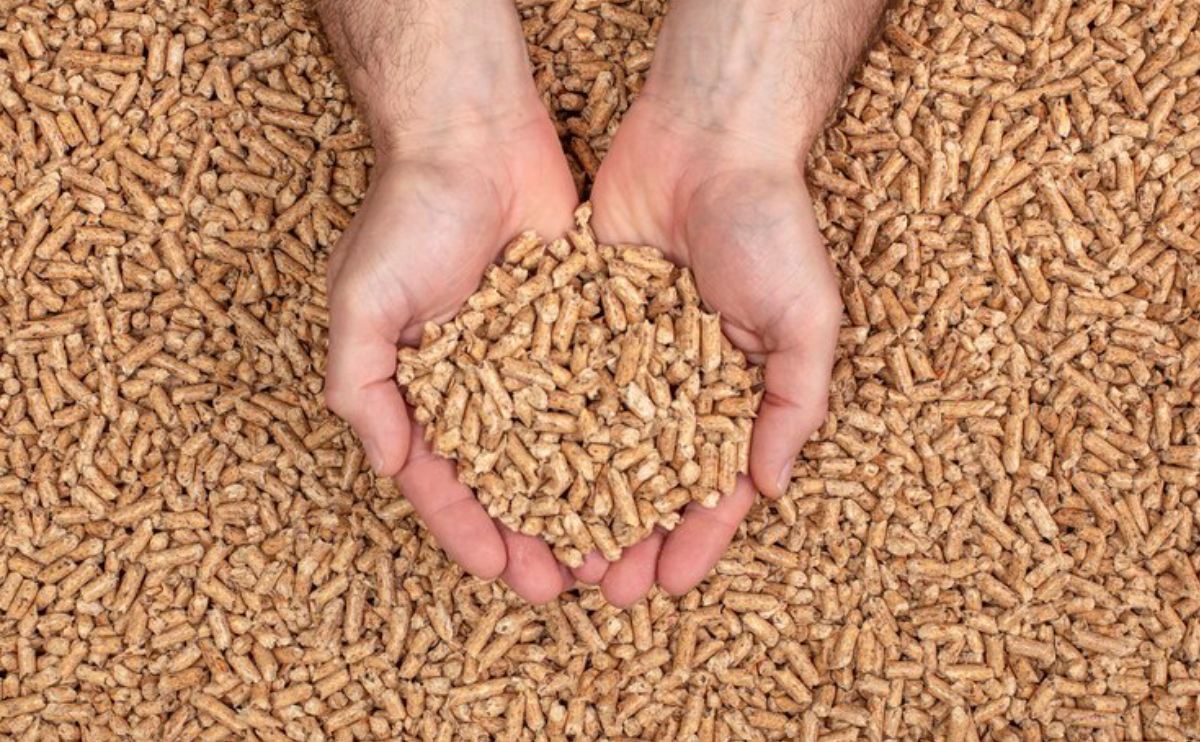

Animals are often sensitive to strong smells and tastes in their feed. A neutral odor and color ensure Enterolac doesn't negatively affect the palatability of the overall feed mix, encouraging better intake.

Feed products with neutral odor and color offer a cleaner and more appealing presentation to consumers.
Enterolac is distinguished by its high quality because PhytoBiochem follows international manufacturing standards such as ISO and GMP. As a result of these stringent quality control measures, Enterolac is consistently produced to the highest standards, ensuring that it delivers the desired benefits for animals and producers.

Enterococcus bacteria secrete enzymes that help break down complex nutrients in feed, making them more digestible and absorbable. This leads to better utilization of feed, requiring less feed for the same performance level.
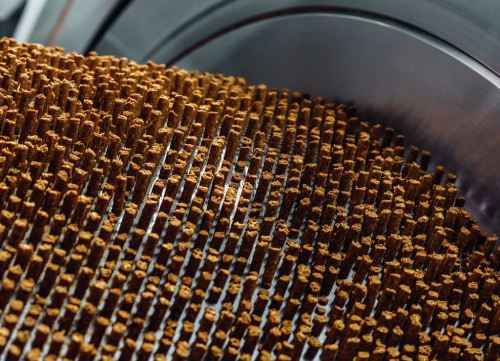
Enterolac improves nutrient digestion and absorption which translates to better growth rates and animal performance.
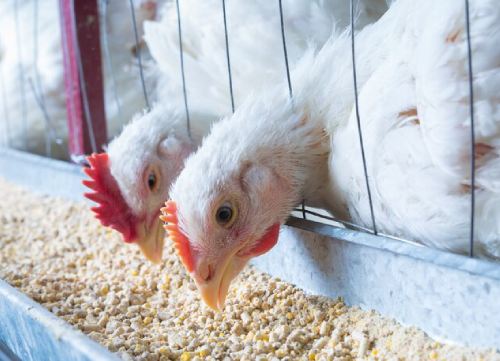
Enterolac plays an important role in dairy cattle as it works to provide the nutrients and energy necessary to improve milk production and quality.
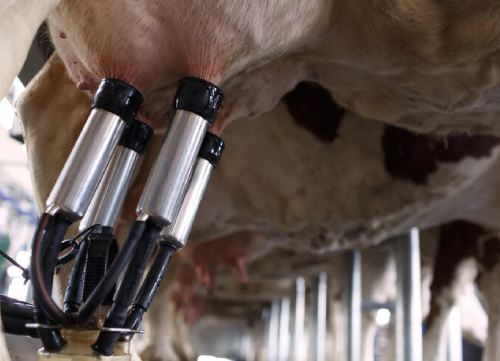
Some Enterococcus strains can synthesize essential vitamins like biotin and folic acid, further boosting the nutritional profile of the feed.
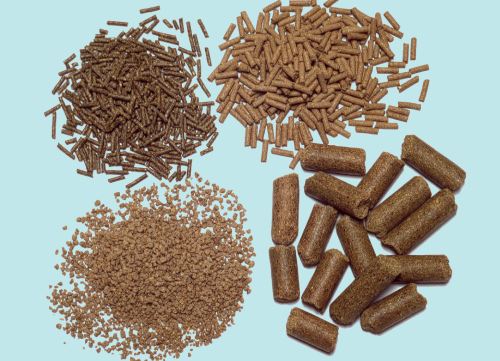
Enterolac plays a role in protecting dairy cattle from mastitis due to its role in secreting antibacterial agents that work to eliminate harmful bacteria that cause mastitis. It also has a role in producing anti-inflammatory agents.
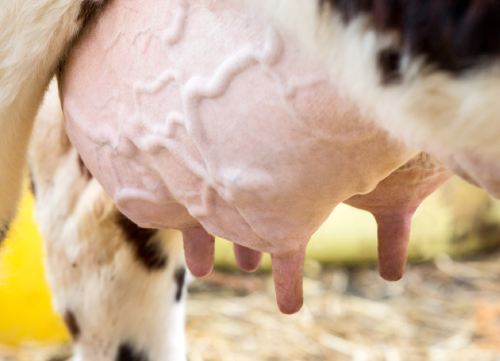
Enterococcus bacteria compete with harmful pathogens in the gut, preventing their colonization and potential for causing diarrhea and other digestive issues. This maintains gut health and improves overall well-being.
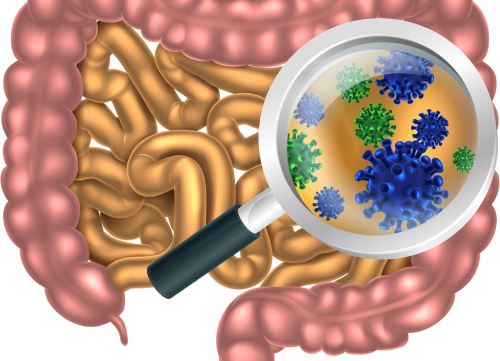
Due to the role of Enterolac in producing a group of enzymes that improve the efficiency of feed digestion, it also improves the efficiency of absorption, which reduces feed waste and its appearance in an undigested form in animal manure.

Enterolac can be a selling point for high-quality feed products, catering to consumers seeking natural and health-promoting additives for their animals.
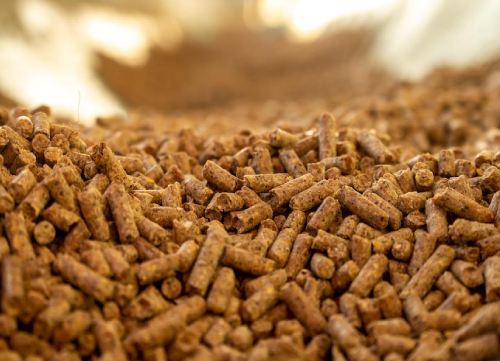

 Brand
Brand
| Brand Name |
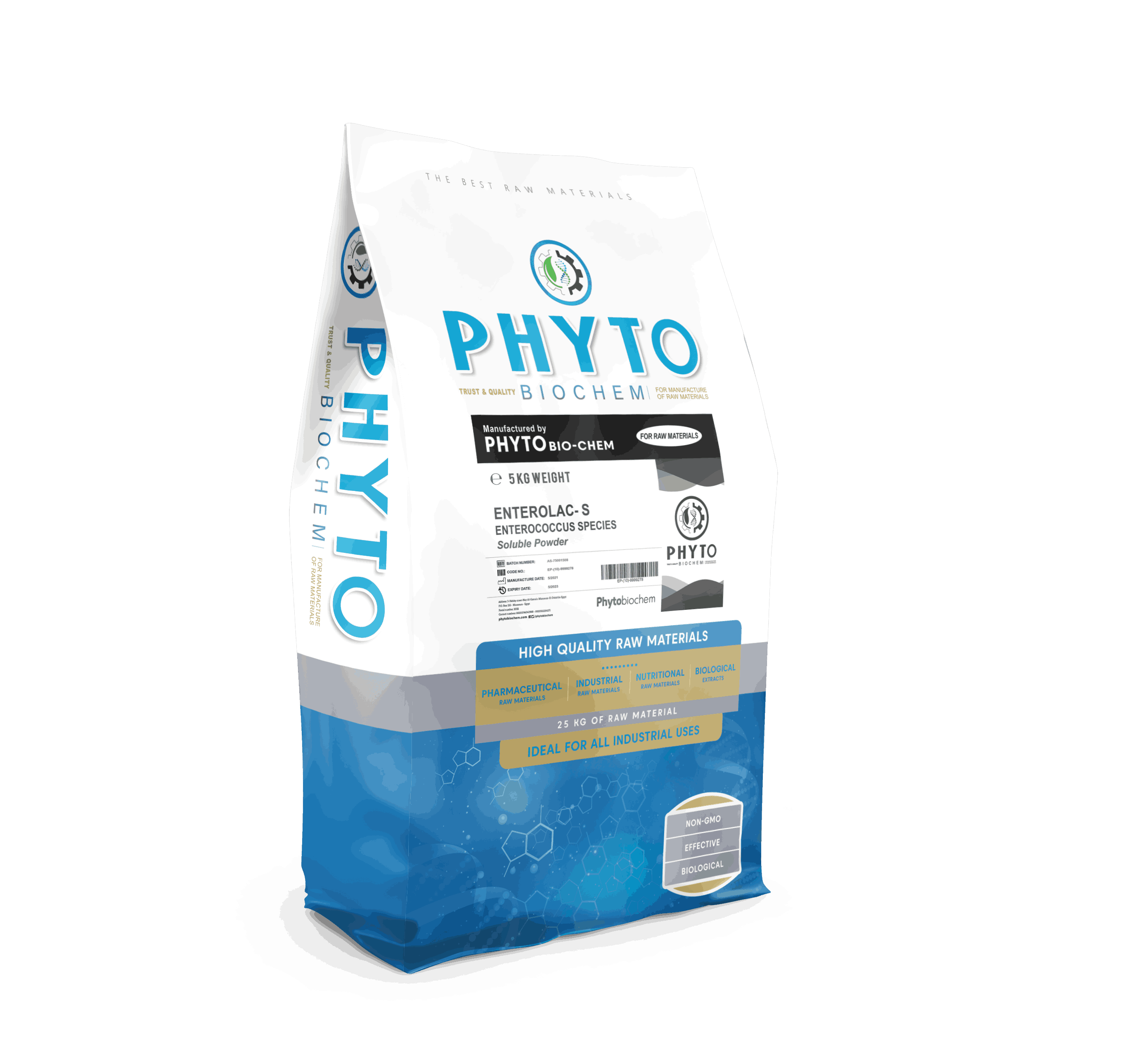
Enterolac |
|---|---|
| Internal Reference |
HI-DGP-P |
 Packaging
| Packaging Type |
Bag |
|---|---|
| Packaging size |
25 kg |
 Physical Properties
| Color |
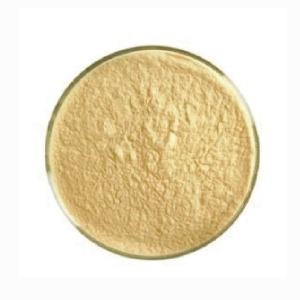
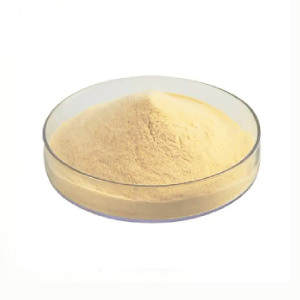
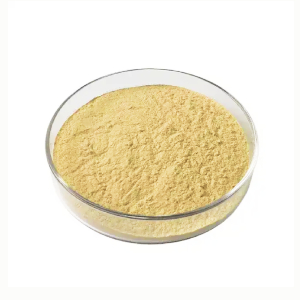
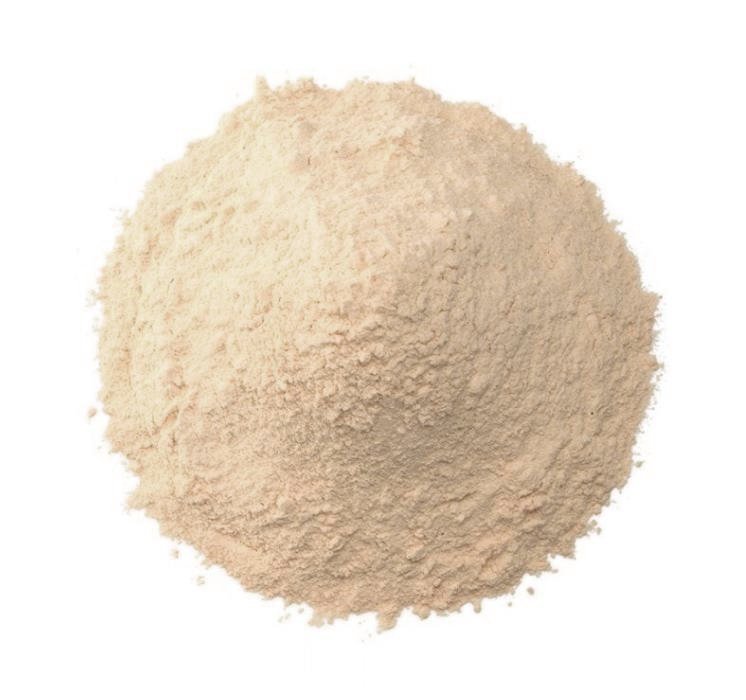
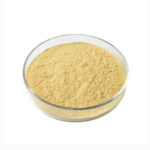
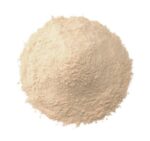
yellowish brown |
|---|---|
| Form |
Powder |
| Solubility |
Insoluble, Soluble |
| Odour |
Odorless |
| Texture |
Fine Powder |
 Usage/Application
| Usage |
Added to animal feed |
|---|---|
| Species |
Fish, Poultry, Ruminants |
 Storage
| Condition |
In dry and clean place |
|---|---|
| Shelf life |
2 years |
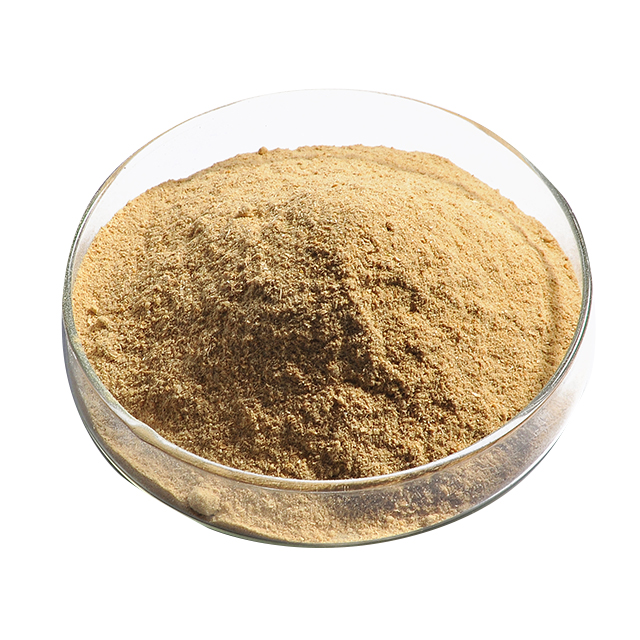
In stock
| Appearance |
Brownish white to brown |
|---|---|
| Water Solubility |
Soluble |
| Form |
Powder |
| Odor |
Unique yeast odor |
| Betaglucan % |
≥10% |
| MOS % |
≥10% |
| Moisture content% |
≤ 6.0 % |
| E.coli |
Negative |
| Salmonella |
Negative |
| Staphylococcus aureus |
Negative |
| Enterobacteriacae |
Negative |
| Lead |
≤ 0.005 ppm |
| Cadmium |
≤0.005 ppm |
| Arsenic |
≤0.005 ppm |
| Mercury |
≤0.005 ppm |
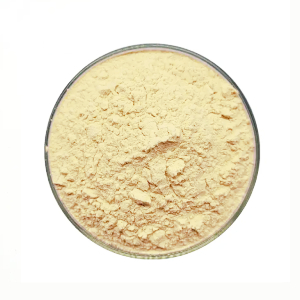
In stock
In stock
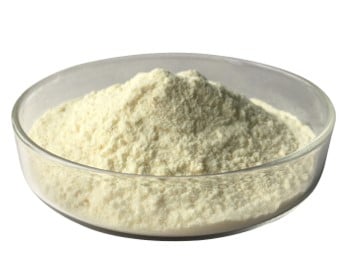
| Appearance |
White to Slight yellow |
|---|---|
| Water Solubility |
Insoluble |
| Form |
Powder |
| Odor |
Characteristic |
| Loss of drying |
≤5.0 % |
| Activity |
≥ 10000 I.U/gm |
| E.coli |
Negative |
| Salmonella |
Negative |
| Staphylococcus aureus |
Negative |
| Enterobacteriacae |
Negative |
| Lead |
≤ 0.005 ppm |
| Cadmium |
≤0.005 ppm |
| Arsenic |
≤0.005 ppm |
| Mercury |
≤0.005 ppm |
In stock
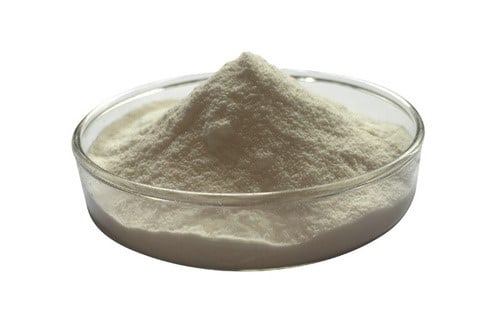
| Appearance |
whitish to brown color |
|---|---|
| Water Solubility |
Soluble |
| Form |
Powder |
| Odor |
Characteristic |
| Loss of drying |
≤5.0 % |
| Activity |
≥ 100000 I.U/gm. |
| E.coli |
Negative |
| Salmonella |
Negative |
| Staphylococcus aureus |
Negative |
| Enterobacteriacae |
Negative |
| Lead |
≤ 0.005 ppm |
| Cadmium |
≤0.005 ppm |
| Arsenic |
≤0.005 ppm |
| Mercury |
≤0.005 ppm |
In stock
| Appearance |
whitish to brown color |
|---|---|
| Water Solubility |
Insoluble |
| Form |
Powder |
| Odor |
Characteristic |
| Loss of drying |
≤5.0 % |
| Activity |
≥ 20000 I.U/gm. |
| E.coli |
Negative |
| Salmonella |
Negative |
| Staphylococcus aureus |
Negative |
| Enterobacteriacae |
Negative |
| Lead |
≤ 0.005 ppm |
| Cadmium |
≤0.005 ppm |
| Arsenic |
≤0.005 ppm |
| Mercury |
≤0.005 ppm |
No account yet?
Create an Account
Reviews
Clear filtersThere are no reviews yet.