






-
 Courier delivery
Courier delivery
 Warranty 1 year
 Free 30-Day returns

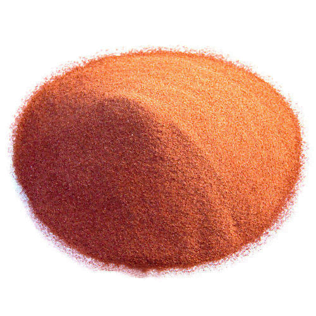
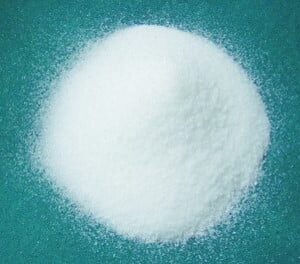
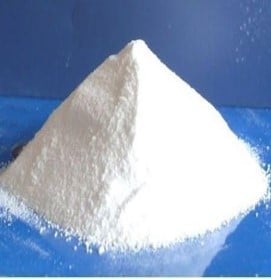
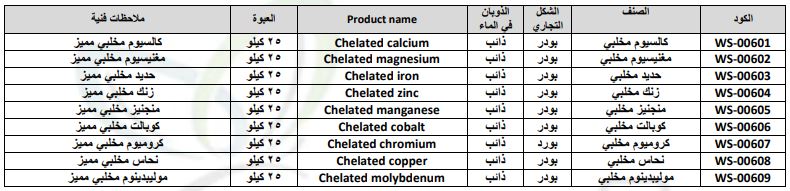
Chelated calcium
Powder – Melted
Code: WS-023001
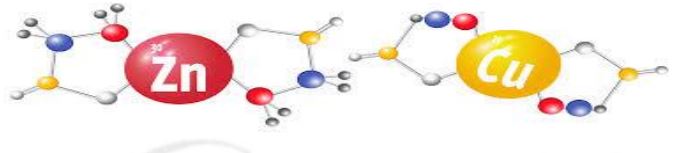
Chelated salts: Chelated
salts are among the most important modern elements that have been added to the feed field in the last ten years, where chelated salts have strengthened the
animal’sabilityto make the most of salts such as zinc, potassium, phosphorus, calcium, iron, and other important elements
that are notimportantto them.
What is chelated salt?
It is a salts associated with organic compounds such as amino acids or yeast wall extracts or adiets instead of
traditional compounds such as sulfates and chlorides and others in order to increase the body’s ability to absorb and benefit
from it
– why do we have to switch from the use of traditional salts to chelic salts ??
1 – Conventional salts such as potassium sulfate, magnesium sulfate and even calcium chloride and others are poor salts
in absorption as the body does not absorb them except in a very small amount, and its absorption is very slow, unlike the
chelatedsaltsthat may absorb
clay2 – 5 times.With organic compounds that protect them as they pass through the digestive system, enabling the body to
Making full use of it, and that is not available in the traditional salts that pass through the digestive system without absorption and the
rate of non- absorption may reach from 51 – 11% absorption, as well as its negative impact on Medicines are almost invisible to anyone. 5 – Conventional salt salts compete within the animal’s body, including between them on receptors. For example, the presence of the iron inhibits
3 – The volume of chelated salts is small, which is of course much smaller than the traditional salts and therefore this is one of the most important factors
that contribute to increasing the body’s ability to benefit from them
4 – Chelated salts are non-existent or have little interaction with feed or medication unlike the traditional salts that often interact with the
feed Or you interact with the drug, then it affects the feed components and their vitamins content and reduces the
Calcium absorption and zinc impede iron absorption. This phenomenon is called “metal
ion interaction”, a dangerous phenomenon that prevents the absorption of very important elements within the body of the living organism,
which prompted scientists to search for a solution, and they were able to reach chelated salts of multiple charges, which are characterized by non-
competition It shows them on receptors as it is distinguished by the strength of their bonds
In stock
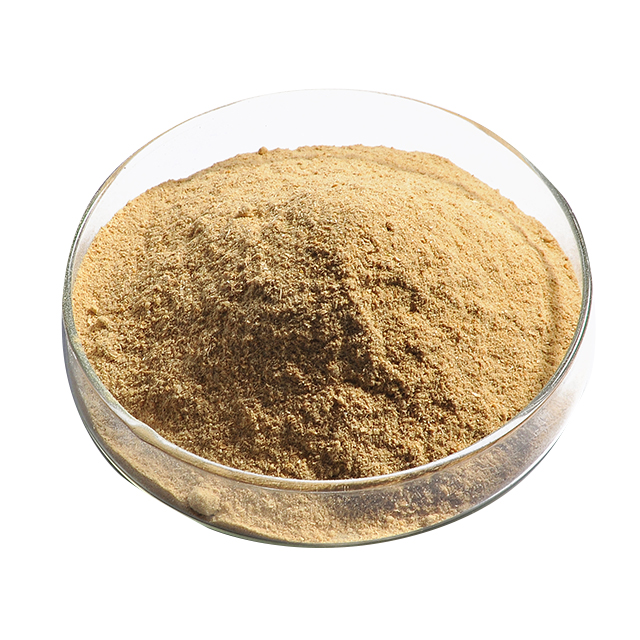
| Appearance |
Brownish white to brown |
|---|---|
| Water Solubility |
Soluble |
| Form |
Powder |
| Odor |
Unique yeast odor |
| Betaglucan % |
≥10% |
| MOS % |
≥10% |
| Moisture content% |
≤ 6.0 % |
| E.coli |
Negative |
| Salmonella |
Negative |
| Staphylococcus aureus |
Negative |
| Enterobacteriacae |
Negative |
| Lead |
≤ 0.005 ppm |
| Cadmium |
≤0.005 ppm |
| Arsenic |
≤0.005 ppm |
| Mercury |
≤0.005 ppm |
In stock
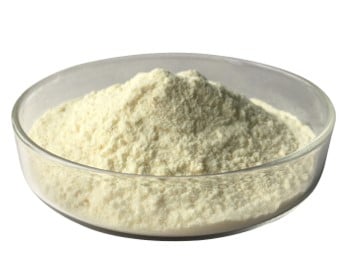
In stock
| Appearance |
White to Slight yellow |
|---|---|
| Water Solubility |
Insoluble |
| Form |
Powder |
| Odor |
Characteristic |
| Loss of drying |
≤5.0 % |
| Activity |
≥ 10000 I.U/gm |
| E.coli |
Negative |
| Salmonella |
Negative |
| Staphylococcus aureus |
Negative |
| Enterobacteriacae |
Negative |
| Lead |
≤ 0.005 ppm |
| Cadmium |
≤0.005 ppm |
| Arsenic |
≤0.005 ppm |
| Mercury |
≤0.005 ppm |
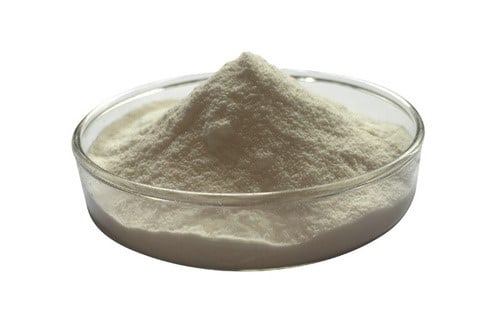
In stock
| Appearance |
whitish to brown color |
|---|---|
| Water Solubility |
Soluble |
| Form |
Powder |
| Odor |
Characteristic |
| Loss of drying |
≤5.0 % |
| Activity |
≥ 100000 I.U/gm. |
| E.coli |
Negative |
| Salmonella |
Negative |
| Staphylococcus aureus |
Negative |
| Enterobacteriacae |
Negative |
| Lead |
≤ 0.005 ppm |
| Cadmium |
≤0.005 ppm |
| Arsenic |
≤0.005 ppm |
| Mercury |
≤0.005 ppm |
In stock
| Appearance |
whitish to brown color |
|---|---|
| Water Solubility |
Insoluble |
| Form |
Powder |
| Odor |
Characteristic |
| Loss of drying |
≤5.0 % |
| Activity |
≥ 20000 I.U/gm. |
| E.coli |
Negative |
| Salmonella |
Negative |
| Staphylococcus aureus |
Negative |
| Enterobacteriacae |
Negative |
| Lead |
≤ 0.005 ppm |
| Cadmium |
≤0.005 ppm |
| Arsenic |
≤0.005 ppm |
| Mercury |
≤0.005 ppm |
No account yet?
Create an Account
Reviews
Clear filtersThere are no reviews yet.